
Key Points
- Ammonia is a powerful, budget-friendly cleaner that breaks down grease, grime, and stubborn oven stains with ease.
A simple DIY solution and step-by-step guide make oven cleaning with ammonia safe, effective, and less time-consuming.
With proper safety precautions and tips, you can maximize ammonia’s cleaning power or leave the tough job to professional cleaners like Hellamaid.
A clean oven makes your whole kitchen feel fresher. But scrubbing burnt grease and baked-on stains can be one of the toughest cleaning jobs at home. That’s where ammonia comes in handy. This simple household product has powerful cleaning properties that can help you tackle even the most stubborn oven messes.
In this guide, we’ll cover everything you need to know about cleaning your oven with ammonia, from its benefits and safety tips to a step-by-step process you can follow.
What is Ammonia?
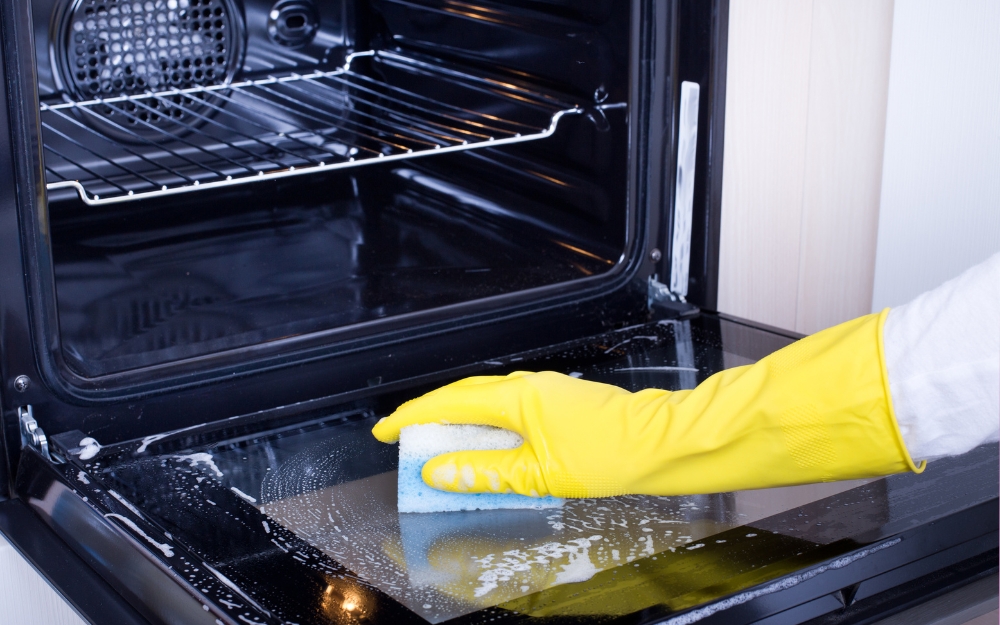
Ammonia is a colorless gas with a distinctive sharp smell. When dissolved in water, it becomes household ammonia; a common cleaning product found in most grocery stores. This chemical compound has been used for cleaning purposes for decades due to its powerful degreasing properties.
Household ammonia typically contains 5-10% ammonia gas dissolved in water. It’s different from the pure ammonia gas used in industrial applications. That’s why, the version you buy for cleaning is safe for home use when handled properly.
What Are The Cleaning Properties of Ammonia?
Understanding the chemical properties that make ammonia a powerhouse in cleaning is essential for maximizing its effectiveness. Let’s explore the science behind ammonia’s cleaning prowess and how it transforms your oven:
1. Alkaline Nature
Ammonia is an alkaline substance, which helps it break down acidic grease and grime in ovens. This makes it a great option for removing tough stains.
2. Solubility in Water
Ammonia easily dissolves in water, forming a solution that can penetrate and loosen baked-on residues. This solubility contributes to its ability to lift and remove stubborn deposits on oven surfaces.
3. Gas Release
When heated, ammonia undergoes a phase change from liquid to gas, releasing vapors that help break down and lift dirt and grease. This gas release is a key factor in its effectiveness during the cleaning process.
4. Neutralizing Odors
Ammonia is not only a powerful cleaner but also an effective deodorizer. It neutralizes and eliminates unwanted odors, leaving your oven not only clean but also fresh-smelling.
Benefits of Using Ammonia for Oven Cleaning
Choosing ammonia for oven cleaning offers several advantages over commercial oven cleaners:
- Cost-effective: A bottle of household ammonia costs significantly less than specialized oven cleaning products.
- Powerful degreasing: Ammonia cuts through baked-on grease and food splatters more effectively than many other cleaners.
- No harsh chemicals: Unlike some commercial cleaners, ammonia doesn’t contain caustic ingredients that can damage oven surfaces.
- Minimal scrubbing required: The overnight method dissolves grime, reducing the need for intensive scrubbing.
- Readily available: You can find household ammonia at virtually any grocery store or pharmacy.
How to Make a DIY Cleaner with Ammonia?
Creating your own ammonia-based oven cleaner is simple and cost-effective. Here’s a simple recipe and guide to creating your DIY oven cleaner:
Step 1: Gather the Ingredients
You’ll need these basic items:
- 1 cup household ammonia
- 1 cup hot water
- 1 cup of baking soda
- 1 cup of dish soap
- Heat-resistant bowl or dish
- Spray bottle (optional)
- Clean cloths or sponges
Step 2: Prepare the Cleaning Solution
For the overnight method, simply pour the ingredients (ammonia, baking soda, and dish soap) into a heat-resistant bowl. No mixing required!
For a spray solution:
- Mix equal parts ammonia, water, baking soda, and dish soap in a spray bottle
- Shake gently to combine
- Label the bottle clearly for safety
Step 3: Store and Use Safely
Always store your ammonia solution in a cool, dry place away from children and pets. Use the solution within a few days for best results. Never store mixed solutions for extended periods.
Step-by-step Guide on How to Clean Your Oven using Ammonia
- Gather supplies: ammonia, a heat-resistant bowl, a pot of boiling water, a sponge or cloth, and gloves.
- Ensure proper ventilation when cleaning by opening windows or using a fan.
- Take out oven racks and set them aside. Cleaning them separately will ensure a thorough job.
- Turn on your oven for a few minutes to warm it up slightly. Then, turn it off.
- Pour half a cup of ammonia into a heat-resistant bowl and place it on the top oven rack.
- Place the racks back in the oven, close the door, and let the ammonia fumes work their magic overnight.
- The next day, remove the bowl and racks.
- Wipe down the interior with a damp sponge or cloth, and you’ll be amazed at how easily the grime comes off.
- Boil a pot of water and place it in the oven for 15-20 minutes to help dissipate any residual ammonia smell.
- Wipe down the interior once more to remove any remaining residue.
Expert’s Safety Precautions When Cleaning with Ammonia
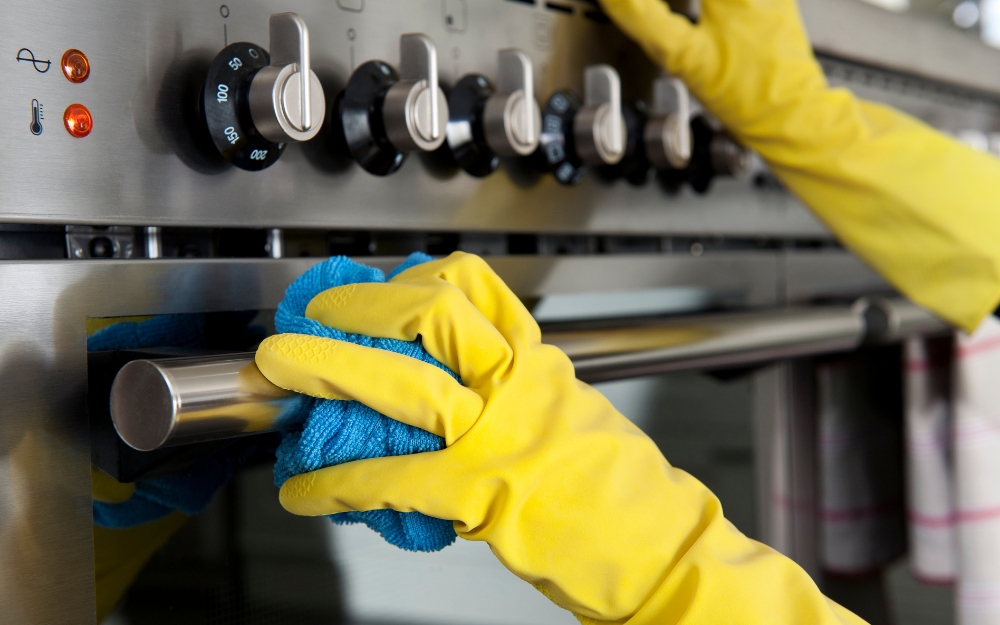
Ammonia is strong, so safety must come first. Always:
- Wear gloves and a mask when handling it.
- Keep the area well-ventilated by opening windows.
- Never mix ammonia with bleach, it produces toxic fumes.
- Store ammonia out of reach of children and pets.
Remember that improper handling of household chemicals like ammonia can lead to respiratory problems and skin irritation if safety is ignored.
Tips on How to Enhance Ammonia’s Cleaning Power
Maximize your cleaning results with these expert tips:
- Use hot water: The steam from boiling water activates ammonia fumes and helps them penetrate grease better.
- Target tough spots: For extra stubborn areas, apply ammonia solution directly and let it sit for 15-20 minutes before scrubbing.
- Add a paste for scrubbing: Mix ammonia with baking soda to create a gentle abrasive paste for tough stains.
- Clean regularly: Monthly ammonia cleaning prevents heavy buildup and makes each cleaning session easier.
- Pre-treat spills: Clean fresh spills immediately to prevent them from baking on during future oven use.
Conclusion
The presence of self-cleaning ovens is emerging in our generation but knowing how to clean a regular oven is an edge. Furthermore, cleaning your oven with ammonia is not only cost-effective but also a powerful solution for maintaining a pristine kitchen. Plus, it can save you from a lot of hard work.
By following our comprehensive guide, you can do it safely. Remember to prioritize ventilation and never mix chemicals. Your oven will look like new again. And you’ll have a clean slate for your next culinary adventure.
Oven Cleaning Made Easy with Hellamaid
If oven cleaning feels like too much work, let Hellamaid handle it for you. Our professional cleaners in Canada know how to tackle tough stains safely and effectively. Plus, with our no hidden fee pricing and easy online booking, keeping your oven spotless has never been easier.
Save time, reduce stress, and enjoy a sparkling kitchen, book Hellamaid today and let us do the hard work for you!