Discovering mold in your refrigerator can be alarming and unsanitary. A clean refrigerator is crucial for maintaining food safety and preventing mold growth. In this comprehensive guide, we’ll delve into effective methods and step-by-step procedures to remove mold from your refrigerator. Let’s explore how to tackle this issue and restore cleanliness to one of the most important appliances in your kitchen.
By following this guide, you can give your refrigerator a fresh start.
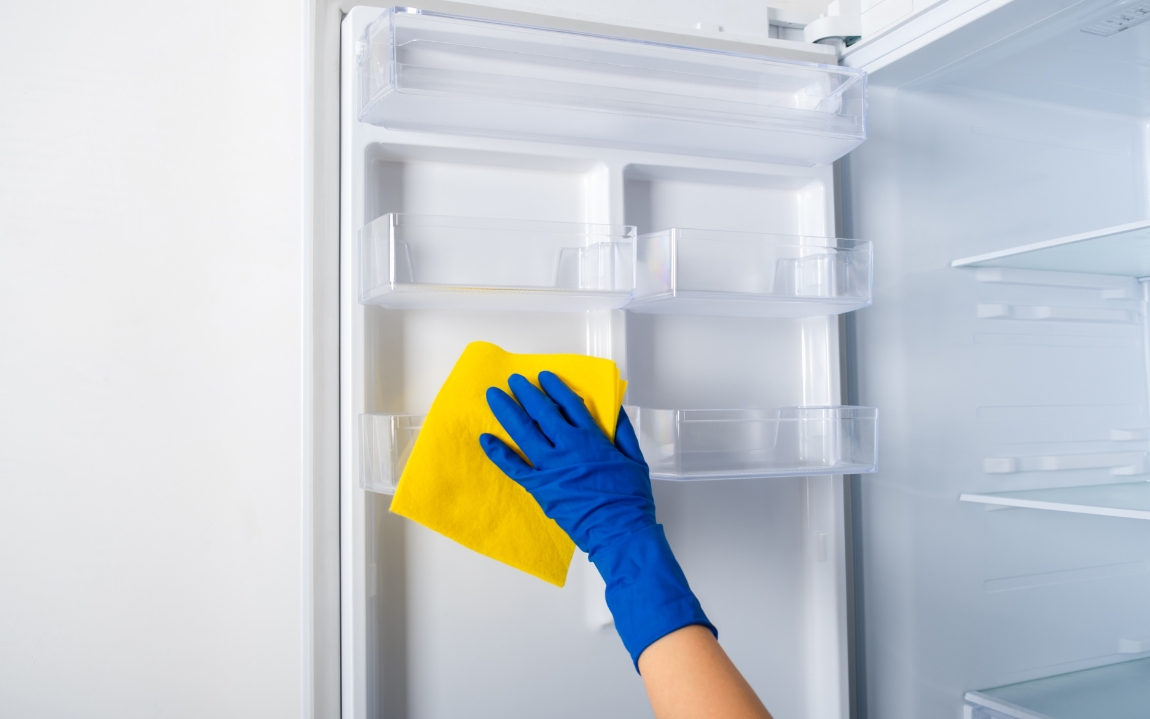

Importance of Mold Removal in Refrigerators
Mold growth inside a refrigerator is not only unappealing but also poses health risks. Mold can contaminate food, leading to potential health hazards and affecting the taste and quality of stored items. Regular cleaning and mold removal are essential to ensure a safe and hygienic environment for your food and family.Identifying Mold Growth in Your Refrigerator
Before initiating the cleaning process, it’s important to recognize signs of mold growth:- Foul Odor: A musty or unpleasant smell inside the refrigerator can indicate mold presence.
- Visible Mold Spots: Look for black, green, or brownish spots on walls, shelves, gaskets, or around food containers.
- Discoloration: Any discoloration on surfaces, particularly in hidden or less-accessible areas, might indicate mold growth.
How Does Mold Form in the Refrigerator?
Understanding the factors contributing to mold growth in your refrigerator is essential for effective prevention. Here are common causes of mold formation:- Moisture Buildup: Condensation or spills inside the refrigerator create a moist environment conducive to mold growth. When moisture accumulates, especially in corners or on forgotten spills, mold can thrive.
- Poor Ventilation: Inadequate airflow within the refrigerator can trap moisture, leading to pockets of humidity ideal for mold growth. Blocked vents or overcrowded shelves restrict airflow, promoting mold development.
- Spoiled or Unsealed Food: Leftover food stored improperly or in uncovered containers increases the likelihood of mold growth. Mold spores can spread from one food item to another, contaminating the entire fridge.
- Infrequent Cleaning: Irregular cleaning routines allow dirt, spills, and food residues to accumulate, providing a breeding ground for mold. Neglected areas become susceptible to mold growth over time.
Tools and Materials for Cleaning Mold in a Refrigerator
Gather these tools and materials before starting the cleaning process:- Rubber gloves
- Mild dish soap or detergent like Seventh Generation Free & Clear Dish Liquid
- Baking soda
- White vinegar
- Microfiber cloths or sponge
- Toothbrush or soft-bristle brush
- Warm water
Step-by-Step Guide to Clean Mold Out of a Refrigerator
Follow these steps to effectively remove mold from your refrigerator:- Remove all food items, shelves, drawers, and detachable parts from the refrigerator.
- Mix warm water with mild dish soap or detergent. For stubborn mold, add a cup of vinegar or baking soda to the solution.
- Submerge shelves, drawers, and other removable components in the cleaning solution. Scrub them gently with a sponge or cloth to remove mold and dirt.
- Use the cleaning solution to wipe down the interior walls, shelves, and door gaskets. Pay close attention to corners, crevices, and rubber seals where mold tends to accumulate.
- Rinse all cleaned parts thoroughly with clean water and dry them completely before placing them back in the refrigerator.
- For persistent mold spots, create a paste using baking soda and vinegar for cleaning. Apply this paste to affected areas and let it sit for a few minutes before scrubbing with a soft-bristled brush.
- Wipe the interior surfaces again with a fresh solution of warm water and vinegar to clean away any remaining residue.
- Once the refrigerator is dry, reassemble all parts and place the food items back inside.

Preventive Measures to Avoid Refrigerator Mold Growth
To prevent future mold growth in your refrigerator, consider these preventive measures:- Schedule monthly or quarterly cleanings to prevent mold buildup.
- Store food in airtight containers and promptly discard expired items.
- Regularly inspect the refrigerator for leaks or moisture accumulation that may contribute to mold growth.
- Ensure the interior is dry before restocking to prevent moisture buildup.