Key Points
Fruit flies are mainly attracted to overripe produce, garbage, sticky spills, and moist areas like drains, where they lay hundreds of eggs.
The steps to get rid of fruit flies include (1) cleaning up food and mess, (2) setting fruit fly traps, (3) cleaning drains and hidden spots, and (4) keeping your kitchen dry and tidy.
- The best way to prevent fruit flies is to keep your kitchen clean, dry all surfaces, and store produce properly.
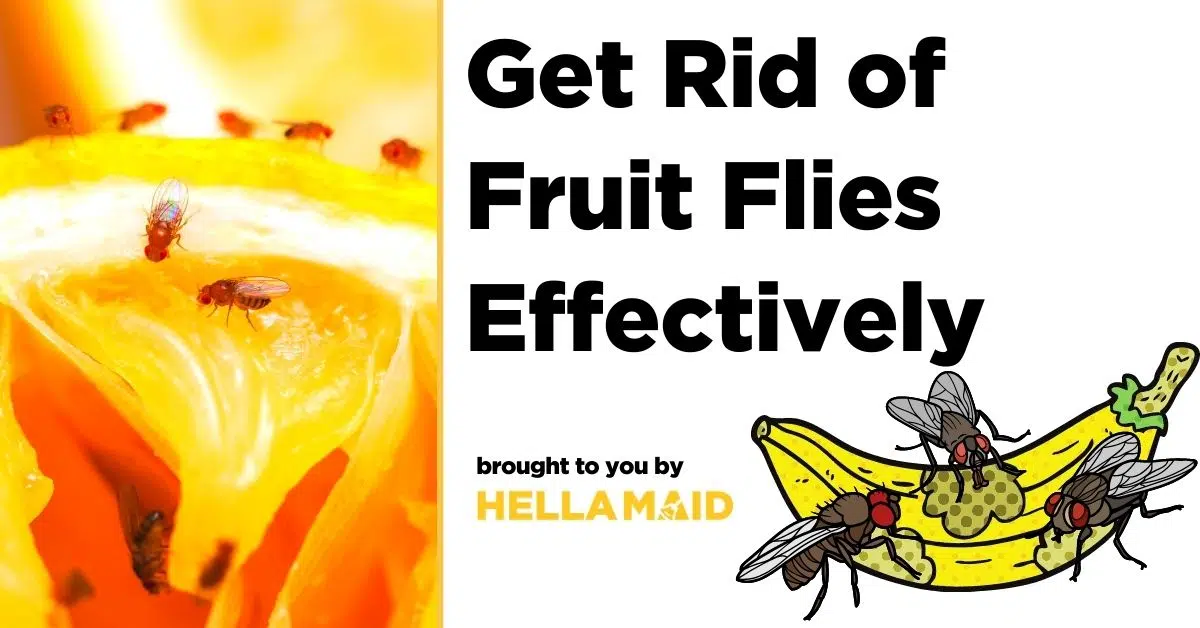
Fruit flies are tiny, but they can quickly turn your kitchen into a frustrating mess. One day, everything’s spotless; the next, you’re swatting at a cloud of buzzing pests. The good news is, you don’t have to live with them for long. With the right approach, you can get rid of fruit flies effectively and keep them from coming back.
In this guide, we’ll break down why fruit flies appear, how to identify them, and the simple steps to clear them out of your home.
What Causes Fruit Fly Infestations
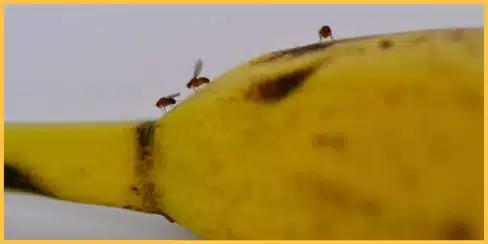
Fruit flies don’t appear by accident, they’re drawn in by specific conditions. The biggest trigger is overripe or rotting produce, which gives them the perfect place to feed and lay eggs. Even one forgotten banana can attract dozens of flies, and each female can lay up to 500 eggs on fermenting fruits and vegetables.

Your kitchen also has plenty of other fruit fly magnets. Common culprits include:
- Unsealed garbage bins with food scraps
- Dirty dishes left overnight
- Sticky spills on floors or counters
- Open bottles of wine, beer, or juice
- Damp mops and sponges
- Indoor compost bins
Another major hotspot is the drain, where moisture and organic buildup create the perfect breeding ground. Under the right conditions, fruit flies can complete their life cycle in just 8–10 days, which explains how infestations can grow so quickly.
Is It Really a Fruit Fly?
Not every tiny fly in your home is a fruit fly. Knowing the difference helps you treat the problem properly.
| Feature | Fruit Fly 🪰 | Drain Fly 🕳️ | Fungus Gnat 🌱 |
|---|---|---|---|
| Size | 2–4 mm (very small) | 1.5–5 mm (moth-like wings) | 2–4 mm (long legs, slender) |
| Colour | Tan body, red or dark eyes | Grey or black, fuzzy wings | Dark body, long legs |
| Attracted to | Fruits, sweet liquids, garbage | Drains, stagnant water | Soil and houseplants |
| Common spots | Kitchen, fruit bowls, compost | Sink drains, bathrooms | Potted plants, humid rooms |
If you mostly see them hovering around fruit, trash, or open wine bottles, you likely have fruit flies. If they cluster near drains, you might be dealing with drain flies instead.
Step-by-Step Guide to Get Rid of Fruit Flies
Once you confirm they’re fruit flies, follow these four simple steps to clear them out:
Step 1. Clean Up Food and Mess
The first step to getting rid of fruit flies is to remove anything that attracts them. Even one forgotten item can cause a new wave of pests.
- Inspect and discard overripe or damaged produce. Check drawers, shelves, and under appliances, one rotting potato is enough to fuel an infestation.
- Empty and clean garbage bins daily. Rinse with hot, soapy water, let them dry, and use tightly sealed bags. If possible, keep trash outside.
- Wash dishes right away. Don’t leave them soaking overnight; leftover residue is a breeding ground for flies.
- Wipe down all surfaces with vinegar and water, focusing on sticky spots, handles, microwaves, and under small appliances.
- Store produce properly in the fridge or sealed containers. If kept on the counter, use it quickly and check daily for overripening.
Step 2. Set Fruit Fly Traps
While cleaning removes their food sources, traps help capture the adult flies already buzzing around your home.
The apple cider vinegar trap is incredibly effective and costs almost nothing. Here’s how to make it:
- Pour about half an inch of apple cider vinegar into a jar or bowl
- Add a drop of dish soap (this breaks the surface tension)
- Cover tightly with plastic wrap
- Poke small holes in the plastic with a toothpick
- Place near areas where you see the most flies
The flies are attracted to the fermenting smell, crawl through the holes, and can’t escape. Replace the trap every few days until you stop catching flies.
Step 3. Clean Drains and Hidden Spots
Fruit flies often breed in drains and other damp areas. A proper deep clean here is one of the most effective ways to get rid of them for good.
3.1. Flush and Treat the Drains
Start by clearing out eggs and larvae:
- Boiling water: Pour a kettle of boiling water down each drain once a day for a week.
- Baking soda + vinegar:
- Pour ½ cup of baking soda into the drain.
- Add 1 cup of white vinegar.
- Let it fizz for 15 minutes.
- Rinse with boiling water to flush everything away.
3.2. Scrub Away Build-Up
Next, use a long, flexible drain brush to clean inside the pipes. This removes the slimy film (biofilm) where fruit flies lay their eggs. These brushes are inexpensive and available at most hardware stores.
3.3. Deep Clean the Garbage Disposal
Run your disposal with cold water and ice cubes to loosen any gunk. Finish with lemon/orange peels or vinegar to keep it smelling fresh.
3.4. Check Other Damp Hiding Spots
Finally, clean other areas where fruit flies might linger:
- Behind and under the refrigerator
- Refrigerator drip tray
- Recycling bins (especially soda and beer cans)
- Pet food bowls left out too long
Mop buckets and cleaning tools
Step 4. Keep Your Kitchen Dry and Tidy
Prevention is always easier than elimination, so once fruit flies are gone, focus on keeping your kitchen clean and dry. Wipe sinks and counters before bed to remove moisture, and clean spills right away, especially sugary ones that attract flies quickly. Make it a habit to take out trash and recycling regularly, rinse containers to get rid of residue, and use the exhaust fan while cooking to reduce humidity and food odours that can draw flies back.
Don’t forget to maintain your drains by flushing them weekly with hot water or using an enzyme-based cleaner to break down buildup. Also, check your produce daily and refrigerate anything ripening too fast to prevent infestations. For longer storage, keep root vegetables in a cool, dark, and well-ventilated spot where flies are less likely to gather.
Can You Get Rid of Fruit Flies in 5 Minutes?
Not completely, but you can make a big dent fast.
In five minutes, you can:
- Remove ripe fruits and garbage
- Wipe down counters
- Set one or two traps
This alone can cut down their numbers overnight, but full elimination usually takes a few days to a week depending on how bad the infestation is. The trick is to be consistent with cleaning and trap maintenance.
Related Read: How to Clean a House Infested with Fleas?
Frequently Asked Questions
Here are a few more questions related to getting rid of fruit flies:
FAQ #1: Do fruit flies go away on their own?
No. If the source of food and moisture remains, they’ll continue to breed. Removing attractants and cleaning thoroughly is the only way to stop them.
FAQ #2: Are Fruit Flies Harmful to Health?
Yes. Fruit flies can spread bacteria like E. coli and Salmonella by moving from rotting food and garbage to clean surfaces and fresh produce.
While they don’t bite or sting, they can contaminate food and surfaces, posing health risks, especially for children, seniors, and people with weak immune systems.
FAQ #3: How long does it take to fully get rid of them?
With proper cleaning and trapping, most infestations are controlled in 3 to 7 days. Severe infestations may take longer, especially if drain breeding isn’t addressed.
Conclusion
Fruit flies are annoying, but they’re not unbeatable. By cleaning thoroughly, setting traps, and removing breeding sites, you can enjoy a fly-free kitchen again. Consistency is key, once you remove their food and shelter, they have nowhere to go.
Keep Your Home Pest-Free with Expert Cleaning
Dealing with fruit flies can be frustrating, especially when they keep coming back. Hellamaid’s top-rated professional home cleaning services in Canada can help keep your kitchen spotless and less inviting to pests.
Why homeowners trust Hellamaid:
- Licensed and insured professional cleaners
- Eco-friendly cleaning options
- Easy online booking with upfront pricing
- No hidden fees
Book your cleaning service today and enjoy a fresh, pest-free home without the stress!