A clean home should feel safe, fresh, and comfortable. But many traditional cleaning products rely on strong chemicals that can linger in the air and on surfaces. This is where probiotic cleaning comes in, offering a smarter and gentler way to keep your space truly clean.
In this blog, we’ll explain everything you need to know about probiotic cleaning.
What Is Probiotic Cleaning?
Probiotic cleaning uses beneficial bacteria to consume dirt, grime, and bad odors at a microscopic level.
Instead of just removing dirt and bacteria on contact like many chemical cleaners, probiotic cleaners aim to create a healthier microbial balance on surfaces so that bad microbes have a harder time returning.
Is Probiotic Cleaning Safe for Kids, Pets, and Allergy Sufferers?
Yes, probiotic cleaners are generally safer for households with kids, pets, or people with sensitivities. This is because:
- They don’t rely on harsh chemicals like bleach or ammonia.
- They reduce exposure to strong fumes that can irritate lungs or skin.
- The “good bacteria” used are typically recognized as safe and non‑pathogenic under normal use.
That said, always follow the product instructions and avoid ingestion of any cleaning product.
How Is Probiotic Cleaning Different from Traditional Cleaning Products?
Traditional cleaners focus on instantly killing 99.9% of germs, but this effect is short-lived. Once the surface dries, new bacteria can return quickly.
While, probiotic cleaners work differently by using beneficial bacteria to naturally compete with harmful microbes, keeping surfaces cleaner for longer.
| Feature | Traditional Cleaners | Probiotic Cleaners |
| Method | Chemical “kill” | Biological competition |
| Duration | Stops working once dry | Works for 3–5 days |
| Safety | May require gloves or ventilation | Generally safe for skin contact |
| Environment | Can harm aquatic life | Biodegradable and eco-friendly |
Does Probiotic Cleaning Actually Work or Is It Just a Trend?
Yes, probiotic cleaning really works and isn’t just a trend. It works through competitive exclusion, where beneficial bacteria consume the nutrients harmful bacteria need, naturally reducing their growth.
In fact, a research from Toronto Metropolitan University found that cleaning with probiotic cleaners helps build healthy bacterial communities on surfaces. These “good” bacteria take up space and resources, making it harder for harmful germs like E. coli and S. aureus to survive. This shows that probiotic cleaners are an effective way to reduce harmful bacteria.
How Professional Cleaners Use Probiotic Cleaning Safely
Professional cleaners know that switching to probiotic cleaning requires a change in technique to get the best results.
1. Using the Right Probiotics for Each Surface
Different strains of bacteria are better at breaking down different messes. Pros use enzyme-rich formulas for bathroom tile and grease-cutting strains for kitchen counters.
2. Letting Probiotics Sit and Work
Unlike chemicals that you spray and wipe immediately, probiotics need a little “dwell time.” This allows the microscopic workers to activate and begin eating through the grime.
3. Avoiding Harsh Chemical Mixes
You cannot mix probiotics with bleach or ammonia. The harsh chemicals will kill the good bacteria before they can do their job.
4. Following Safe Application Practices
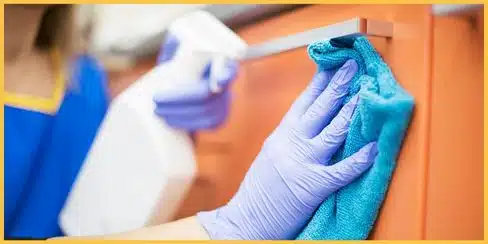
Professionals ensure even coverage. They use microfiber cloths to spread the solution, ensuring the beneficial bacteria reach every nook and cranny.
Can You Do Probiotic Cleaning Yourself at Home?
Yes! You don’t need a degree in biology to use these products. Most come in easy-to-use spray bottles or concentrates that you mix with water. It is a simple way to maintain a healthier home environment without the risk of chemical burns or fumes.
How to Choose A Probiotic Cleaner for Your Home?
Not all “green” cleaners are created equal, so you need to know what to look for on the label.
1. Look for Tested Probiotic Formulas
Choose brands that have undergone third-party laboratory testing. This ensures the bacteria are active and effective.
2. Check the Ingredient List
The best cleaners have a short list of ingredients. You want to see “Bacillus spores” or “active ferment” rather than a long list of synthetic fragrances.
3. Make Sure It’s Surface-Safe
Check if the product is safe for porous surfaces like granite, marble, or unsealed wood. Most probiotics are pH-neutral, making them safer for delicate stones than vinegar-based cleaners.
4. Avoid Strong Chemical Additives
If a bottle claims to be “probiotic” but also contains high levels of chlorine or alcohol, the probiotics likely won’t survive. Look for truly eco-friendly labels.
Is Probiotic Cleaning the Future of Home Cleaning?
Yes, many experts see probiotic cleaning as part of the future of home hygiene.
Here’s why:
- A growing number of consumers want non‑toxic, eco‑friendly cleaning options
- Research supports probiotic methods as a sustainable alternative to chemical disinfectants.
- Probiotics may help reduce bad microbes over time rather than just in a single moment.
As awareness of indoor microbiomes grows, probiotic cleaning is likely to become more mainstream.
Frequently Asked Questions
Here are the additional commonly asked questions about probiotics cleaning:
FAQ #1: How long do probiotic cleaners keep working after use?
They typically stay active for 3 to 5 days. As long as there is “food” (dust or organic matter) and a little moisture in the air, the good bacteria keep cleaning.
FAQ #2: Can probiotic cleaning replace regular disinfectants?
For daily grime and odors, yes. However, for blood spills or known viral outbreaks (like the flu), a traditional disinfectant may still be needed for an instant kill.
FAQ #3: Is probiotic cleaning more expensive than traditional cleaning?
Probiotic cleaners may be slightly more expensive per bottle, but many people find they need to clean less often because the effects last longer.
Conclusion
Probiotic cleaning is a smart, safe, and sustainable way to protect your home. By working with nature instead of against it, you create a microscopic shield that keeps your living space fresher for longer. It’s a win for your health, your pets, and the planet.
Choose a Healthier Way to Clean Your Home Now
Ready to experience a deeper clean without relying on harsh chemicals? At Hellamaid, we stay ahead of modern cleaning methods to help create healthier homes for families across Canada.
Our professional cleaners use eco-friendly cleaning that’s safe for kids, pets, and everyday living. We reduce chemical exposure while still delivering a thorough, reliable clean. Book your cleaning today and enjoy a home that feels fresh, balanced, and truly clean!