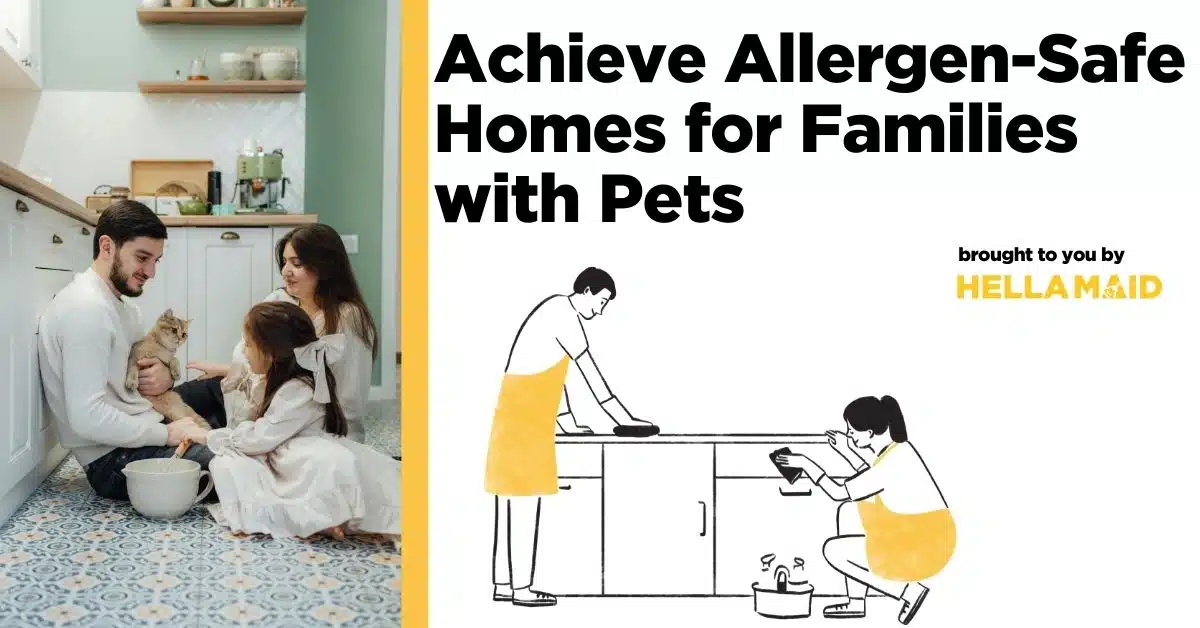
Creating a home that feels like a sanctuary is every parent’s goal, especially when you have little ones and furry friends running around. In busy Canadian hubs like Toronto and Vancouver, where city life often brings us indoors, the quality of our air and the cleanliness of our surfaces become even more vital for our health.
In this blog, we explain common household allergens and simple ways to keep them under control.
Is It Possible to Control Allergens?
Yes, it is entirely possible to manage and significantly reduce the presence of allergens in your home with the right approach.
While you can’t create a completely sterile “bubble,” a strategic cleaning routine can lower the allergen load to a level where symptoms are minimized or even eliminated.
How Does Allergens Affect Kids, Pets, and Your Family
Allergens are more than just a nuisance; they can actively disrupt the well-being of your household. According to Asthma Canada, nearly one in four Canadians are affected by asthma and allergies, making indoor air quality a top priority for families.
- For Kids: Children breathe faster than adults, meaning they inhale more allergens relative to their body size. This can lead to poor sleep, reduced focus in school, and chronic congestion.
- For Pets: Interestingly, pets can also suffer from environmental allergies. Dust and mold can cause itchy skin or respiratory distress in cats and dogs, just as they do in humans.
- For the Family: When one person is suffering, the whole house feels it. Reducing the allergen load means fewer sick days and a more energetic, happy home life.

Common Household Allergens to Watch For
Before you can reduce allergens, it helps to know where they come from. Whether you are living in a high-rise in Calgary or a heritage home in Ottawa, these are the most common indoor triggers to watch for.
1. Dust Mites
Dust mites are microscopic and thrive in warm, humid spaces. They settle deep into soft surfaces and are especially common in:
- Mattresses and pillows
- Carpets and rugs
- Upholstered furniture
Because they are invisible, they often go unnoticed until allergy symptoms appear.
2. Pet Dander
Pet allergies are not caused by fur alone. The real triggers are tiny skin flakes and proteins in saliva, which:
- Become airborne easily
- Spread from room to room
- Linger long after pets leave the area
This is why allergies can persist even in well-groomed homes.
3. Pollen Brought Indoors
Outdoor pollen does not stay outside. It enters the home through everyday activities, such as:
- Clothing and shoes
- Open doors and windows
- Pet fur after walks
Once inside, pollen settles on floors, furniture, and fabrics.

4. Mold Spores
Mold grows quickly in damp or poorly ventilated areas. Common trouble spots include bathrooms, basements, and laundry rooms. According to Health Canada, persistent dampness and mold increases the risk of respiratory symptoms by 30% to 50%.
5. Household Dust and Debris
General household dust is a mix of lint, hair, outdoor particles, and other fine debris. Over time, this buildup can irritate the eyes, nose, and throat, even for people without diagnosed allergies.
How to Reduce Allergens Through Proper Cleaning
Cleaning with allergens in mind is about how you clean, where you clean, and how often.

1. Focus on High-Risk Areas
Some areas in your home collect more allergens than others:
- Bedding: Wash sheets, pillowcases, and blankets weekly in hot water.
- Carpets & Rugs: Vacuum with a HEPA filter and consider steam cleaning.
- Soft Furniture: Sofas and armchairs often trap dust and dander, clean regularly.
- Pet Areas: Wash pet beds and vacuum around spots pets frequent.
Tip: In places like Toronto, where urban pollen is high, keeping windows closed during peak pollen times and using air conditioning can reduce what comes inside.
2. Use Safe and Allergy-Friendly Cleaning Products
Avoid harsh chemicals with strong scents, as these “Volatile Organic Compounds” (VOCs) can actually trigger asthma attacks. Look for products that are:
- Are low-chemical or plant-based
- Help reduce dust without irritating airways
- Work well on fabrics and floors
You can also try a healthier option, such as using probiotic cleaning as an alternative.
3. Clean Regularly and Consistently
Consistency matters more than intensity when it comes to reducing allergens. Instead of occasional deep cleans, a steady routine helps stop dust and irritants from building up in the first place.
Routine Task | Why It Helps |
Dust and vacuum weekly | Removes settled dust, pollen, and pet dander before they spread |
Wash bedding every week | Reduces dust mites and allergens that collect in fabrics |
Keep bathrooms clean | Prevents moisture buildup that leads to mold growth |
Declutter living spaces | Limits dust traps and makes cleaning faster and more effective |
Following a simple, repeatable routine like this can noticeably reduce allergen buildup and make your home feel fresher and easier to breathe in.
Frequently Asked Questions
Here are more commonly asked questions related to allergen-free cleaning:
FAQ #1: Can professional cleaning help with allergy control?
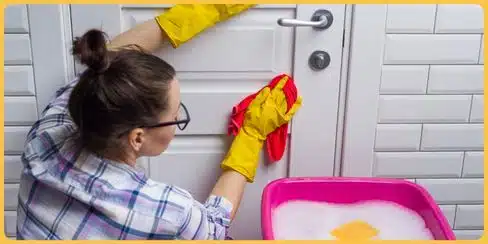
Yes. Professional cleaners use tools and techniques that reach deep into carpets, upholstery, and hard-to-reach places. This can meaningfully lower allergen levels, especially before peak allergy seasons.
FAQ #2: Are natural cleaning products effective for allergens?
Yes. Simple solutions like distilled white vinegar and baking soda are excellent for breaking down grime without releasing the irritating fumes found in traditional bleach or ammonia-based cleaners.
FAQ #3: Do soft toys and stuffed animals trap allergens?
Yes. Soft toys can collect dust mites, pollen, and pet dander. To reduce allergens, wash them regularly in hot water, or freeze them for 24 hours before washing on a gentle cycle to kill dust mites.
Conclusion
Your home can be a healthier place for kids, pets, and your whole family. Understanding what allergens are, where they hide, and how to clean for them helps create a safer indoor space. Don’t wait for symptoms to show, adopt allergen-focused cleaning habits now.
Create a Healthier Home with Hellamaid
At Hellamaid, we specialize in allergen-aware cleaning that supports your family’s health. We tailor our services to families in cities like Toronto, Ottawa, Calgary, Edmonton, and Vancouver, where allergies are a big concern for many.
Whether you need regular deep cleaning or just allergy-focused care before the season hits, we’re here to help you breathe easier at home. Book now!