We’ve all had that moment. walking into a messy room and instantly feeling overwhelmed. Meanwhile, your neighbour’s home looks spotless, and you wonder how they manage it so effortlessly.
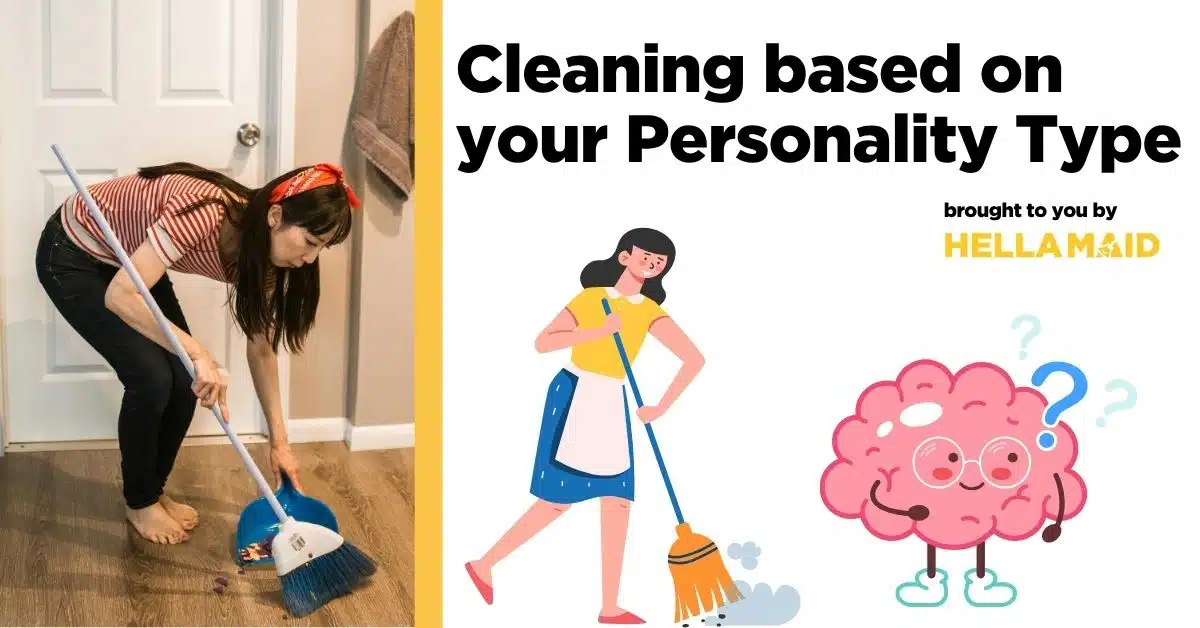
The truth is, there’s no single cleaning method that works for everyone. What motivates one person might frustrate another. That’s why learning how to clean your house based on your personality type makes all the difference.
Your habits, mindset, and energy levels all play a role. When you match your cleaning style to your personality, it becomes easier, more manageable, and maybe even enjoyable.
Why Your Personality Matters in Home Cleaning
Your personality influences every aspect of your daily life. This includes how you approach household tasks and organize your living space. Research shows that different personality types have distinct preferences for structure, routine, and environment.
According to the 16 Personalities Institute, certain personality types make up significant portions of the population. Understanding these differences helps explain why some cleaning advice works for others but not for you.
Think about your natural habits for a moment. Do you prefer to tackle big projects all at once? Or do you like breaking tasks into smaller pieces? Do you feel energized by a completely clean space? Or do you work better with a little organized chaos around you?
These preferences aren’t random quirks. They’re hardwired into how your brain processes information and makes decisions. When you work with your natural tendencies instead of against them, cleaning becomes less of a chore and more of a manageable routine.
Many people struggle with cleaning because they’re using methods that don’t match their personality. A detail-oriented person might get overwhelmed by speed-cleaning techniques. A spontaneous person might rebel against rigid schedules. The key is finding your personal sweet spot.
The 8 Cleaning Personality Types
Everyone has a unique approach to maintaining their home. Here are the most common cleaning personality types and how each one can create systems that actually work.
1. The Perfectionist Cleaner

You have high standards for cleanliness and organization. Every item needs its proper place. You notice details that others might miss. When you clean, you want to do it thoroughly and correctly.
Your biggest challenges:
- Getting paralyzed by the scope of cleaning tasks
- Feeling frustrated when family members don’t maintain your standards
- Burning out from trying to keep everything perfect all the time
- Struggling to start cleaning if you can’t do it “properly”
Strategies that work for you:
- Break large cleaning projects into smaller, manageable sections
- Set specific time limits for each task to prevent endless perfectionism
- Create detailed checklists that satisfy your need for thoroughness
- Designate certain areas as “showcase spaces” and relax standards elsewhere
- Schedule regular deep cleaning sessions instead of trying to maintain perfection daily
Your ideal routine: Plan one deep cleaning session per week for different rooms. Focus on maintaining rather than perfecting during daily tidying. This approach prevents the all-or-nothing mentality that often leads to burnout.
2. The Procrastinating Cleaner

You know what needs to be done, but starting feels overwhelming. You often wait until the mess becomes urgent before taking action. You work well under pressure but struggle with regular maintenance.
Your biggest challenges:
- Feeling overwhelmed by the amount of work needed
- Putting off small tasks until they become big problems
- Having an all-or-nothing approach to cleaning
- Feeling guilty about the state of your home
Strategies that work for you:
- Use the “15-minute rule” – commit to just 15 minutes of cleaning
- Set up accountability systems like cleaning with a friend or partner
- Break tasks into tiny steps that feel manageable
- Create urgency with artificial deadlines or planned visitors
- Use timers to make cleaning feel like a game rather than a chore
Your ideal routine: Start with just 10-15 minutes of daily cleaning. Pick one small area each day. This builds momentum without triggering your overwhelm response. Celebrate small wins to maintain motivation.
3. The Social Cleaner

You’re motivated by how your home looks to others. You can ignore mess until guests are coming over. Then you spring into action with impressive speed and efficiency.
Your biggest challenges:
- Neglecting areas that guests won’t see
- Feeling stressed before social events
- Focusing on appearance over function
- Struggling with motivation when no one is visiting
Strategies that work for you:
- Create “guest-ready zones” that are always maintained
- Schedule regular social events to maintain motivation
- Focus on quick tidying techniques for common areas
- Use before-and-after photos to stay motivated
- Partner with friends for mutual cleaning accountability
Your ideal routine: Maintain guest-ready status in your main living areas daily. Schedule deeper cleaning sessions before planned social events. This matches your natural motivation patterns while ensuring your home stays functional.
4. The Minimalist Cleaner

You believe that less stuff equals less mess. You prefer clean lines and uncluttered spaces. You’re willing to get rid of items to make cleaning easier.
Your biggest challenges:
- Over-decluttering and getting rid of useful items
- Feeling frustrated when family members accumulate stuff
- Struggling with items that have sentimental value
- Being too rigid about what to keep
Strategies that work for you:
- Implement a “one in, one out” policy for new items
- Create designated storage areas for necessary items
- Use multi-functional furniture and storage solutions
- Regular decluttering sessions every few months
- Focus on quality over quantity when purchasing items
Your ideal routine: Weekly decluttering sessions combined with daily maintenance. Since you have fewer items, cleaning is naturally faster and easier. Focus on systems that prevent accumulation.
5. The Creative Chaos Cleaner

You thrive in organized chaos and often have multiple projects going at once. You’re creative and spontaneous but sometimes leave a trail of supplies and materials behind you.
Your biggest challenges:
- Losing supplies and materials in the mess
- Struggling with traditional organization systems
- Feeling stifled by too much structure
- Having creative projects take over common spaces
Strategies that work for you:
- Create designated creative zones with proper storage
- Use clear containers so you can see your supplies
- Set up portable organization systems for ongoing projects
- Allow controlled mess in your creative spaces
- Use timers for quick clean-up sessions between projects
Your ideal routine: Daily 15-minute tidy sessions to contain the creative chaos. Weekly organization of supplies and project areas. This maintains function without stifling your creative process.
6. The Routine-Driven Cleaner

You love schedules and systems. You work best with predictable routines and clear expectations. You feel most comfortable when you know exactly what to do and when to do it.
Your biggest challenges:
- Feeling thrown off when routines get disrupted
- Struggling to adapt when circumstances change
- Being too rigid with your systems
- Difficulty handling unexpected messes or tasks
Strategies that work for you:
- Create detailed daily and weekly cleaning schedules
- Build in buffer time for unexpected tasks
- Develop backup routines for busy periods
- Use apps or planners to track your cleaning tasks
- Create seasonal cleaning routines to handle changes
Your ideal routine: Structured daily tasks with specific time slots. Weekly deep cleaning schedule. Monthly seasonal adjustments to your routine. This provides the predictability you need while staying flexible.
7. The Quick-Fix Cleaner

You want fast results with minimal effort. You’re efficient and practical but sometimes focus on surface cleaning rather than deep maintenance. You value your time and want cleaning methods that work quickly.
Your biggest challenges:
- Neglecting tasks that take longer but are important
- Having surface-level cleaning that doesn’t last
- Getting frustrated with time-consuming organization
- Avoiding deep cleaning tasks
Strategies that work for you:
- Focus on high-impact cleaning tasks that make the biggest visual difference
- Use efficient tools and products that work quickly
- Create speed-cleaning routines for different situations
- Schedule specific times for deeper cleaning tasks
- Batch similar tasks together for efficiency
Your ideal routine: Daily speed cleaning sessions focusing on high-impact areas. Weekly deeper cleaning for one specific area. This balances your need for efficiency with necessary maintenance tasks.
8. The Overwhelmed Cleaner

You feel defeated before you even start cleaning. Everything seems urgent and important at the same time. You often don’t know where to begin, so you end up doing nothing at all. The mess feels too big to handle.
Your biggest challenges:
- Feeling paralyzed by the amount of work that needs to be done
- Not knowing which task to tackle first
- Getting distracted and jumping between different cleaning tasks
- Feeling like you’re always behind no matter how much you do
- Giving up easily when progress seems slow
Strategies that work for you:
- Start with just one small area or task each day
- Use the “baby steps” approach – break everything into tiny actions
- Set a timer for 10-15 minutes and stop when it goes off
- Focus on one room at a time instead of trying to clean everything
- Ask for help from family members or consider professional cleaning services
- Create simple daily habits that prevent overwhelming buildup
Your ideal routine: Pick one small task each morning that takes less than 10 minutes. Focus on maintaining rather than deep cleaning. Weekly sessions with a helper or cleaning service can provide the reset you need without the stress.
Creating Your Personalized Cleaning Plan
Now that you understand your cleaning personality, it’s time to create a system that works for you.
Start by honestly assessing which personality type fits you best. Many people are a combination of types. That’s perfectly normal. Choose the strategies from each type that resonate with you.
Consider your current living situation. Do you live alone or with family? Do you have pets? How much time can you realistically dedicate to cleaning? Your plan needs to fit your actual life, not an idealized version.
Questions to ask yourself:
- What time of day do I have the most energy for cleaning?
- Which areas of my home are most important to keep clean?
- What cleaning tasks do I actually enjoy or find satisfying?
- What are my biggest cleaning challenges right now?
- How much time can I realistically commit to cleaning daily and weekly?
Start small with your new system. Pick one or two strategies that appeal to you most. Try them for two weeks before adding more elements. This prevents overwhelm and helps you build sustainable habits.
Be flexible with your plan. Life changes, and your cleaning routine should adapt with it. Seasonal changes, work schedules, and family situations all affect how much time and energy you have for cleaning.
Remember that progress is better than perfection. A cleaning system that you actually use is infinitely better than a perfect system that you abandon after a week.
Suggested Read: Best Cleaning Method for Introverts vs Extroverts
Tools and Products That Match Your Personality
The right tools can make cleaning easier and more enjoyable for your personality type.
- For Perfectionists: Invest in quality tools that help you achieve detailed results. Microfiber cloths, steam cleaners, and specialized brushes help you clean thoroughly. Label makers and clear storage containers satisfy your need for organization.
- For Procrastinators: Choose tools that make starting easier. Cordless vacuums, all-in-one cleaning products, and pre-moistened wipes reduce barriers to getting started. Keep supplies easily accessible in each room.
- For Social Cleaners: Focus on tools that help you tidy quickly before guests arrive. Handheld vacuums, decorative storage baskets, and multi-surface cleaners help you achieve guest-ready status fast.
- For Minimalists: Choose multi-purpose tools that serve several functions. A good steam mop can clean multiple floor types. Microfiber cloths work on various surfaces. This reduces clutter while maintaining effectiveness.
- For Creative Types: Invest in portable and flexible storage solutions. Rolling carts, clear containers, and mobile cleaning caddies let you organize without constraining your creative process.
- For Routine-Driven: Choose reliable, consistent tools that work the same way every time. Quality vacuum cleaners, spray bottles, and cleaning cloths help you maintain your routines effectively.
- For Quick-Fix: Prioritize efficient tools that work fast. Robotic vacuums, spray-and-wipe products, and powerful cordless tools help you clean quickly and effectively.
- For Overwhelmed: Choose simple, user-friendly tools that reduce decision fatigue. All-in-one cleaning products, lightweight cordless vacuums, and pre-organized cleaning caddies make starting easier. Consider professional cleaning services to provide regular resets.
Common Mistakes to Avoid
Understanding your personality helps you avoid cleaning mistakes that trip up your specific type.
- Don’t fight your natural tendencies. If you’re not naturally detail-oriented, don’t force yourself into a system that requires perfect organization. Work with your strengths instead of against them.
- Avoid copying someone else’s system without adapting it. What works for your organized friend might not work for your creative mind. Take inspiration but modify strategies to fit your personality.
- Don’t let perfectionism paralyze you. Progress is better than perfection. A mostly clean house that you can maintain is better than a perfect house that stresses you out.
- Avoid seasonal cleaning mistakes. Canadian homes face unique challenges with winter dirt, summer humidity, and seasonal transitions. Adjust your cleaning routine accordingly.
- Don’t ignore your energy patterns. Some people clean best in the morning. Others prefer evening tidying. Schedule cleaning tasks when you naturally have the most energy.
- Avoid the all-or-nothing mentality. Small, consistent efforts produce better results than sporadic intensive cleaning sessions. Build sustainable habits rather than unsustainable sprints.
Conclusion
Learning how to clean your house based on your personality type helps you work with your habits—not against them. Whether you thrive on structure or embrace creative chaos, there’s a cleaning style that fits you. Start small, stay patient, and focus on progress over perfection.
You Deserve a Clean Home That Reflects You
No matter your style, your home should support your life. Start small, be kind to yourself, and enjoy the process, because a space that reflects you turns cleaning into self-care.
And if you ever need an extra hand, Hellamaid is here to help. With trusted cleaners and flexible services tailored to your needs, we makes it easy to enjoy a clean home that truly feels like you!