Our dogs are more than just pets, they’re family. And just like we wash our dishes or clean our homes, their favourite chew toys also deserve a good clean. After all, those slobbery toys end up on the floor, the couch, sometimes even your lap!
If you’re looking for a safe, affordable, and natural way to keep your pup’s toys fresh, this guide will walk you through how to clean dog toys with vinegar. It’s simple, effective, and gentle enough for everyday use. Let’s help keep your furry friend happy, healthy, and safe, starting with their toys.
Why You Should Clean Your Dog’s Toys Regularly?

Dog toys accumulate more than just dirt and slobber. They become breeding grounds for harmful bacteria that can affect your pet’s health. Pets, like people, naturally carry bacteria and other tiny living things in their guts or other parts of their body, but some bacteria can be harmful to pets or people.
Regular toy cleaning prevents several health issues:
- Bacterial infections that can cause stomach upset or skin irritation
- Dental problems from accumulated plaque and bacteria
- Foul odors that make toys unpleasant to use
- Mold growth especially in humid environments
- Cross-contamination between different pets in multi-pet households
Dirty toys can also pose risks to your family’s health. Since dogs often bring their toys around the house, contaminated items can spread germs to surfaces where children play or family members relax.
Is Using Vinegar for Cleaning Pet Toys Safe?

Vinegar is generally safe for cleaning dog toys when used properly. White vinegar contains acetic acid, which has natural antimicrobial properties. However, it’s important to understand its limitations.
There is currently not enough research showing how well vinegar removes dirt (cleans) or kills germs (disinfects). Vinegar can kill some germs when it is on an item’s surface for a long enough time, but it does not kill all germs.
Despite these limitations, vinegar offers several advantages:
- Non-toxic alternative to harsh chemicals
- Inexpensive and readily available
- Natural deodorizer that neutralizes odors
- Safe if small amounts remain on toys after cleaning
- Environmentally friendly option
Always use white vinegar rather than other types. Apple cider vinegar or flavored vinegars may leave residues that could upset your dog’s stomach.
Types of Dog Toys You Can Clean with Vinegar

Most dog toys can be safely cleaned with vinegar solutions. Here’s what works best:
Safe for vinegar cleaning:
- Hard plastic toys (balls, frisbees, puzzle toys)
- Rubber toys (squeaky toys, chew toys)
- Rope toys (cotton or hemp fibers)
- Nylon bones and chew toys
- Silicone toys
Use caution with:
- Plush toys with electronic components
- Leather toys (may cause cracking)
- Toys with delicate decorations
- Very old or brittle toys
Always check manufacturer labels before cleaning. Some toys have specific care instructions that should be followed.
Step-by-Step Guide: How to Clean Dog Toys with Vinegar

Here’s how to properly clean different types of toys using vinegar.
A. For hard plastic/rubber toys:
- Rinse thoroughly with warm water to remove loose debris
- Create cleaning solution by mixing equal parts white vinegar and warm water
- Soak toys in the solution for 10-15 minutes
- Scrub gently with an old toothbrush to remove stubborn dirt
- Rinse completely with clean water until vinegar smell disappears
- Air dry completely before returning to your dog
For heavily soiled toys, increase vinegar concentration to 2 parts vinegar and 1 part water.
B. For rope toys:
- Shake out loose dirt and debris outdoors
- Soak in vinegar solution (1:1 ratio) for 15-20 minutes
- Rinse thoroughly under running water
- Squeeze gently to remove excess water
- Air dry completely in a well-ventilated area
A microwave or dishwasher can be used to sanitize softer dog toys. Wet the toy and microwave it for a full minute as an additional sanitizing step after vinegar cleaning.
C. For soft or plush toys:
- Check care label first for washing instructions
- Pre-treat stains with undiluted white vinegar
- Machine wash on gentle cycle with 1/2 cup vinegar added to rinse cycle
- Skip fabric softener as it can irritate sensitive dogs
- Air dry completely to prevent mold growth
For toys that can’t be machine washed, spot clean with vinegar solution and allow to air dry thoroughly.
How Often Should You Clean Dog Toys?
Cleaning frequency depends on how often your dog plays with specific toys and their usage conditions.
| Cleaning Frequency | When to Clean |
|---|---|
| Weekly | – Daily-use favourites – Outdoor toys – Toys shared between pets – Toys used during meals or treats |
| Monthly | – Occasionally used toys – Indoor-only toys – Single-pet households with good hygiene |
| Immediately After Use | – Outdoor adventures in mud or dirt – Contact with other animals – Visible soiling or strong odours – Illness in your pet |
Tip: Set a regular cleaning schedule. Many pet owners find it helpful to clean toys during their usual weekend tidy-up!
Additional Natural Cleaning Alternatives
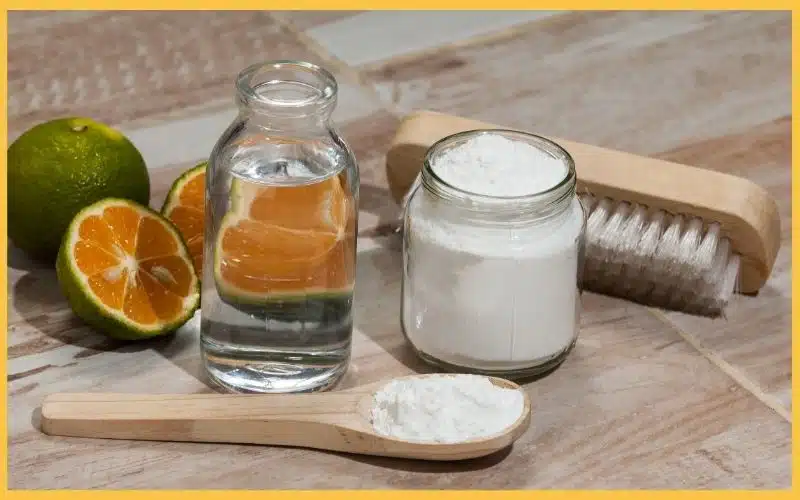
While vinegar works well, other natural options can supplement your cleaning routine:
Baking soda paste:
- Mix baking soda with water to form paste
- Great for scrubbing stubborn stains
- Natural deodorizer
Plain soap and water:
- Use mild, unscented dish soap
- Effective for general cleaning
- Rinse thoroughly to remove all soap residue
Steam cleaning:
- Kills bacteria and dust mites effectively
- Works well for plush toys
- No chemicals required
Freezing method:
- Place toys in sealed bags and freeze 24-48 hours
- Kills bacteria and dust mites
- Good for toys that can’t get wet
When to Replace Dog Toys Instead of Cleaning

Some toys are beyond cleaning and need replacement for safety reasons:
Replace immediately if toys have:
- Visible cracks or sharp edges
- Missing pieces that could be choking hazards
- Excessive wear that exposes stuffing or internal parts
- Persistent odors despite thorough cleaning
- Mold growth that won’t come clean
Consider replacement for:
- Toys over 6 months old with heavy use
- Toys that have lost their shape or structure
- Toys your dog has outgrown
- Toys that no longer engage your pet’s interest
Regular toy replacement ensures your dog’s safety and maintains their interest in play.
Conclusion
Cleaning dog toys with vinegar provides a safe, natural way to maintain your pet’s health and extend toy life. This simple method removes dirt, reduces bacteria, and eliminates odors without exposing your dog to harsh chemicals. Regular cleaning prevents health issues and keeps playtime enjoyable for your furry friend.
Remember to always rinse thoroughly, allow complete drying, and inspect toys for damage during cleaning. When vinegar cleaning isn’t sufficient, don’t hesitate to replace worn or damaged toys.
Clean Toys, Healthy Pets, Happier Homes
Whether you’re in Toronto, Mississauga, Guelph, or anywhere in Canada, Hellamaid’s professional cleaners are ready to tackle the mess: pet hair, paw prints, and all. From carpets to pet-safe sanitizing, we’ll leave your home fresh and worry-free, so you can focus on playtime.
Book your trusted cleaning service today and give your space the refresh it deserves!