Key Points
- Cleaning laminated floors is different from cleaning other types of floors. This is because laminated floors are more sensitive to moisture, have a protective surface layer, and cannot be refinished.
- When cleaning a laminated floor, you should sweep or vacuum loose dirt, use a damp mop with a gentle cleaner, wipe and dry immediately, and optionally polish or refresh the surface afterward.
- A few things to avoid when cleaning laminated floors include: (1) using excess water, (2) applying harsh chemicals, (3) scrubbing with abrasive tools, (4) skipping regular maintenance, and (5) ignoring spills or stains.
Laminated floors bring a clean, modern look to any home. They’re stylish, durable, and fairly easy to maintain, but they also need the right cleaning methods to keep their shine. Using too much water, harsh cleaners, or the wrong tools can cause damage like warping or dull spots over time.
This full guide will walk you through how to clean laminated floors properly, what to avoid, expert maintenance tips, and when it might be time to call in the pros.
Is Cleaning Laminated Floors Different from Other Floor Types?
Yes, laminated floors require a slightly different cleaning approach than hardwood, vinyl, or tile. Unlike natural wood, laminate is made of synthetic layers, so it’s more sensitive to moisture and abrasive cleaning methods.

Here’s what sets it apart:
- Moisture sensitivity: Excess water can seep into the seams and cause swelling or warping.
- Surface protection: The protective top layer can wear down if cleaned with harsh chemicals or scrubbed aggressively.
- No refinishing: Unlike wood, laminated floors can’t be sanded or refinished if damaged, so prevention matters.
Additionally, laminate flooring remains one of the most common flooring types in modern homes because of its affordability and sleek look. But proper care is key to keeping it beautiful for years.
Step-by-Step Guide on How to Clean a Laminated Floor
Regular cleaning keeps your floors looking fresh and prevents dirt from scratching the surface.
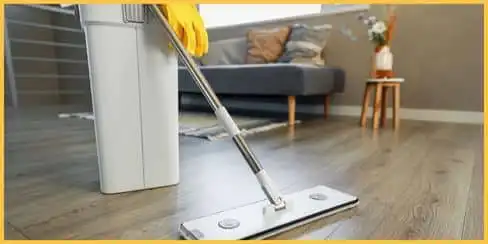
Here’s a simple cleaning routine to follow:
Step 1. Sweep or Vacuum Loose Dirt
Start by removing all loose dirt, dust, and debris. This is crucial because any grit left on the surface can scratch the laminate when you mop.
You can use a soft-bristle broom or a vacuum cleaner. If you’re using a vacuum, make sure to use the hard floor setting or turn off the beater bar. The rotating brush can be too harsh on laminate.
Remember to pay extra attention to high-traffic areas like entryways, kitchens, and hallways. These spots collect the most dirt.
Step 2. Use a Damp Mop with Gentle Cleaner
Now it’s time to mop. The key word here is damp, not wet. Your mop should be just slightly moist, wring it out thoroughly before you start.
For the cleaning solution, you have a few options:
- Vinegar and water: Mix one cup of white vinegar with one gallon of warm water
- Commercial laminate cleaner: Choose one specifically designed for laminate floors
- Mild dish soap: Just a few drops mixed with warm water works well
Expert Tip: Avoid regular floor cleaners for tile or hardwood, they can leave residue or damage the laminate’s protective layer.
Step 3. Wipe and Dry Immediately
This step makes a huge difference. Water and laminate don’t mix well, so don’t let moisture sit on the surface. After mopping each section, wipe it dry right away using a clean microfiber cloth or towel. This prevents water from seeping into the seams, which can cause boards to warp or buckle over time.
If you accidentally spill your cleaning solution, just wipe it up immediately, no harm done.
Step 4: Polish or Refresh the Surface (Optional)
If your floors have lost their shine, a laminate floor polish can bring them back to life. You don’t need to do this after every cleaning, once every few months is usually enough. Spray lightly and buff with a dry mop or cloth following the product’s instructions.
Just remember: less is more. Too much polish can create a slippery surface or leave streaks.
Things to Avoid When Cleaning a Laminated Floor
Knowing what not to do is just as important as knowing what to do.
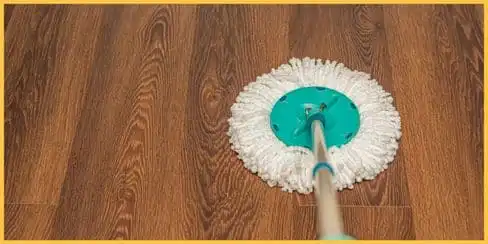
Avoiding these common errors will ensure the longevity of your floors:
1. Using Excess Water
As mentioned, laminate’s enemy is moisture. Too much water can seep between the seams and cause the core layer to swell or warp. This damage is often permanent and requires replacing the planks. Avoid bucket-and-mop cleaning where you slosh water onto the floor.
2. Applying Harsh Chemicals
Strong cleaning agents can damage the floor’s protective wear layer. This will cause the surface to dull, streak, or even disintegrate.
- Avoid: Bleach, abrasive powders, oil-based soaps, and wax-based polishes.
- Stick to: pH-neutral cleaners or a diluted vinegar solution.
3. Scrubbing with Abrasive Tools
Using aggressive tools will scratch and permanently damage the wear layer. Once scratched, the laminate cannot be sanded and refinished like solid wood.
- Never use: Steel wool, scouring pads, or stiff-bristled brushes.
- Always use: Soft cloths, microfiber mops, or a plastic scraper for dried messes.
4. Skipping Regular Maintenance
Allowing dirt, sand, and grit to remain on the floor is the number one cause of surface dulling. These particles act like sandpaper when walked on. Consistent, light cleaning is better than occasional deep scrubbing. Sweep or vacuum every day or two for high-traffic areas.
5. Ignoring Spills or Stains
Spills should be addressed immediately. Liquid can begin to seep into the seams very quickly. For tough stains like markers or shoe polish, gently blot the area. Use a minimal amount of an approved cleaner, then wipe it completely dry.
Expert Tips to Care for Laminated Floors
Want your floors to look new for years? Implement these simple expert tips into your daily routine.
Frequently Asked Questions
Here are some of the most common concerns about cleaning laminated floors:

FAQ #1: How often should laminated floors be cleaned?
Sweep or vacuum weekly, and do a light damp mopping every 1–2 weeks. Deep cleaning can be done monthly or as needed depending on foot traffic.
FAQ #2: Can I use steam mops on laminated floors?
No. Steam mops are not recommended for laminated flooring. The heat and pressurized moisture can force water vapor into the seams and edges of the planks. This will cause the core layer to swell, lift, and warp. Always use a damp mop, not a steaming one.
Conclusion
Laminated floors are a fantastic, resilient, and beautiful addition to any home. They simply require a mindful cleaning approach, less is more when it comes to moisture and harsh chemicals.
By following this guide, you can ensure your floors remain vibrant, streak-free, and undamaged. A little regular care goes a long way in protecting this valuable part of your home.
Let the Pros Keep Your Floors Shining
If cleaning your laminated floors feels overwhelming or time-consuming, Hellamaid’s trusted professional cleaners in Canada are here to help. With us, you can enjoy:
- Transparent pricing and no hidden fees
- Customizable cleaning service
- Friendly and experienced cleaners