Ever feel like no matter how much you clean, dust keeps coming back? You’re not imagining it, dust is one of the sneakiest annoyances in any home. It settles on shelves, carpets, and furniture, makes your space look dull, and can even trigger allergies.
The good news is, it doesn’t have to take over your home. In this guide, we’ll explain why dust builds up and share simple tips to keep your home clean and fresh.
What Is Dust?
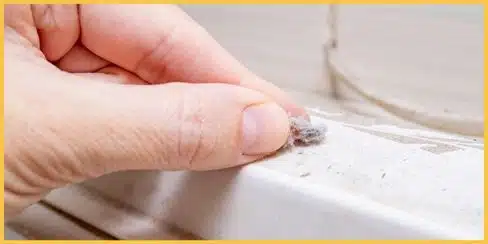
Dust is more than just visible dirt. Research from the Canadian House Dust Study shows that household dust is actually a complex mix of particles from both inside and outside your home.
Where Does Dust Come From?
Much of the dust in your home comes from everyday living and includes:
- Organic matter: Dead skin cells and hair from people and pets.
- Outdoor elements: Soil, pollen, and soot carried in on shoes or clothing.
- Fabric fibers: Tiny pieces of lint from clothes, towels, and carpets.
- Micro‑organisms: Dust mites and their waste, which can trigger allergic reactions.
In other words, the mentioned study highlights that household dust reflects daily activity, the presence of humans and pets, and environmental exposure, showing that it is far more than just dirt.
Common Reasons Your House Gets Dusty
Identifying the source of the problem is the first step toward a cleaner home.

Here are the most common culprits behind that persistent layer of grime:
1. Dirty or Old Air Filters
Your HVAC system acts as the lungs of your home, circulating air throughout every room. When the filters are clogged or old, they lose their ability to trap dust and other particles.
As a result, instead of cleaning the air, the system can blow accumulated dust back into your living spaces, making your home dustier over time.
2. Vacuuming the Wrong Way
Vacuuming is essential for keeping floors clean, but it can sometimes make dust problems worse. Older vacuums or models without proper filtration may remove large debris while releasing fine dust back into the air.
This can happen in a few ways:
- Fine dust particles remain suspended even after vacuuming
- Lack of a HEPA filter allows dust to circulate back into the room
3. Too Much Humidity in the Home
High humidity makes dust particles stick more easily to surfaces and creates an ideal environment for dust mites to thrive. Over time, this increases both visible dust and allergens in your home.

Some of the main effects of high humidity include:
- Sticky dust that is harder to remove from furniture and floors
- Dust mites multiplying more quickly in damp areas
4. Pet Hair and Dander
Pets are a loved part of the household, but they also contribute significantly to dust. They shed fur and microscopic skin flakes called dander, which settle on furniture, floors, and fabrics.
This dust from pets tends to accumulate in specific areas, such as:
Area | How Pets Add to Dust |
Furniture | Dander clings to cushions and upholstery |
Floors | Fur and flakes accumulate on rugs and carpets |
Bedding | Pets sleeping in beds add particles and furs directly to linens |
5. Pollen and Pollution
Outdoor pollutants such as pollen, fine dust, and soot can easily enter your home through open windows and doors. Even small cracks in window and door seals allow these tiny particles to drift inside.
6. Dust Trapped in Rugs and Furniture
Rugs, carpets, and upholstered furniture naturally trap dust over time, acting like sponges for particles. Each time someone walks across a rug or sits on a sofa, tiny dust particles are released back into the air.
This means that even in rooms that seem clean, dust can be continuously cycling from surfaces into the air you breathe.
Expert Tips to Reduce Dust at Home
After learning what causes dust in your home, it’s time to tackle the problem. These professional strategies can help keep your surfaces cleaner for longer:

1. Replace or Clean HVAC Filters Often
Check your filters monthly. Experts suggest replacing them every 90 days, or every 30 days if you have pets, to prevent dust from recirculating through your home.
2. Vacuum Carpets and Floors Regularly
Vacuum at least twice a week, moving slowly to allow the suction to pull dust from deep within carpets and along baseboards. This keeps both visible and hidden dust under control. It’s also important to take note to:
- Pay attention to edges and corners where dust accumulates
- Use a vacuum with a HEPA filter for best results
3. Use Microfiber Cloths
Skip the feather duster, which often just moves dust around. Microfiber cloths are designed to attract and hold dust thanks to their electrostatic charge. For best results:
- Wipe in one consistent direction to trap dust efficiently
- Use slightly damp cloths on sticky or greasy surfaces
- Wash microfiber cloths regularly to maintain effectiveness
4. Use an Air Purifier
A high-quality air purifier with a HEPA filter can remove airborne dust particles effectively. This is especially helpful in bedrooms, where you spend the most time breathing.
Additionally, air purifiers complement your regular cleaning routine by catching dust that settles slowly or stays suspended in the air.

5. Clean from Top to Bottom
Start with the highest points, like ceiling fans or the tops of bookshelves. Dust naturally falls downward, so this approach ensures that any particles you loosen end up on the floor, ready to be vacuumed last.
6. Don’t Forget Overlooked Areas
Dust tends to accumulate in spots you might not think about. Make sure to include these areas in your routine:
Overlooked Area | Why It Collects Dust |
Dust settles here and gets kicked up by foot traffic. | |
Electronics | Static electricity pulls dust toward TVs and computers. |
Blinds | Horizontal slats act like shelves for debris. |
Plants | Large leaves catch falling particles and can look dull over time. |
Frequently Asked Questions
Here are answers to some of the most common dust questions people ask:
FAQ #1: How often should I dust my house?
For most homes, dusting at least once a week helps keep buildup under control. If anyone in your home suffers allergies, you might dust more often.
FAQ #2: Can indoor plants or decor affect dust levels?
Yes. Indoor plants and decor can trap dust, especially items with fabric, leaves, or detailed surfaces. Regular cleaning and dusting around them helps keep dust levels low.
FAQ #3: What are the best cleaning tools for dust removal?
Tools that work well include:
- Microfiber cloths
- Vacuum cleaners with HEPA filters
- Damp mops
- Air purifiers
These help trap dust instead of just moving it around.
Conclusion
Dust might never disappear completely, but it can be managed. By understanding what dust is and where it comes from, you can choose smart cleaning methods that make a real difference. Little steps, like changing filters regularly, vacuuming right, and dusting top to bottom, add up to a cleaner, fresher home.
Enjoy a Dust-Free Home with Hellamaid
Does cleaning feel like a never-ending battle against the dust? Let us help! At Hellamaid, our professional cleaners have the tools and expertise to deep clean your home from top to bottom.
We got the spots you might miss, leaving your space truly fresh and breathable. Schedule your cleaning now!