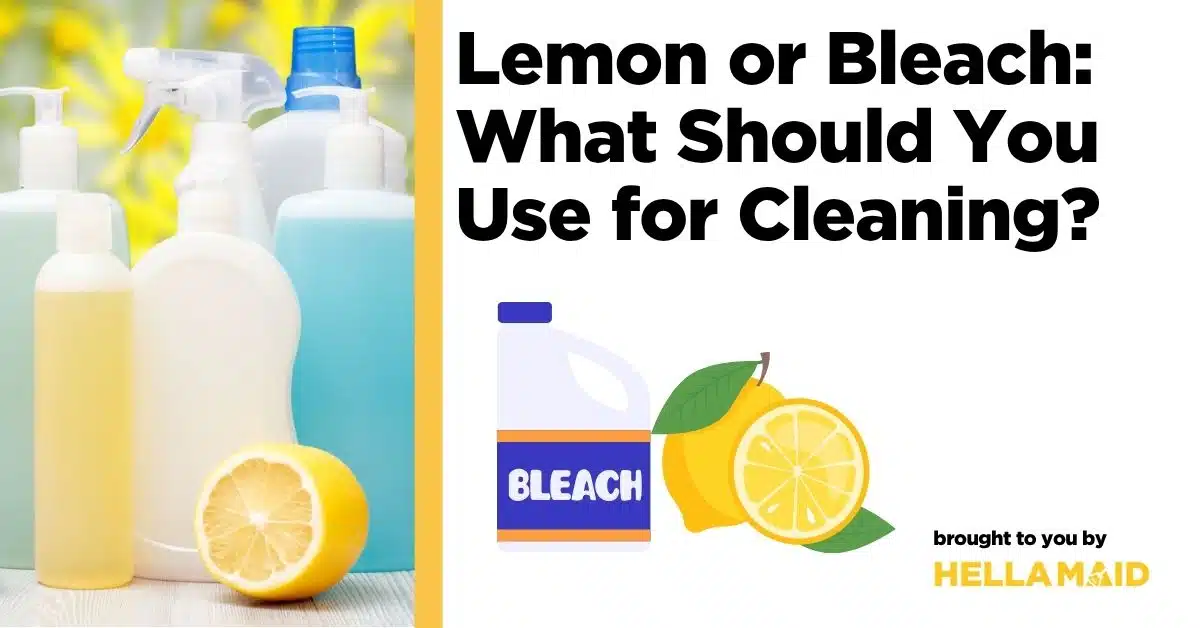
When it comes to cleaning your home, it’s natural to wonder whether natural ingredients can really compete with store-bought disinfectants. Many Canadians are trying to keep their households clean without going overboard on harsh chemicals, especially in spaces shared with kids, pets, or aging loved ones. That’s why the question often comes up: lemon vs bleach, which kills more germs?
In this guide, we’ll explore each cleaner, when to use them, and how they compare in terms of safety, effectiveness, and everyday use.
How Does Lemon Kill Germs?
Lemon kills germs through its natural acidity. The citric acid in lemon juice creates a low pH environment that weakens and breaks down the cell walls of many bacteria and some viruses. This makes it harder for these germs to survive, grow, or spread on surfaces.
Lastly, it contains natural antimicrobial compounds like limonene and citral, which help target and damage bacteria on a chemical level.
Benefits of Using Lemon for Cleaning

Lemon offers several advantages that make it appealing for Canadian households looking for natural cleaning solutions.
1. Safe for Families and Pets
Lemon poses minimal health risks when used properly. Unlike harsh chemicals, accidental exposure won’t cause serious harm to children or pets. Canadian families with young kids often prefer this natural option for daily cleaning tasks.
You can use lemon juice on surfaces where food is prepared without worrying about chemical residue. This makes it perfect for cutting boards, countertops, and kitchen appliances. Even if your pet licks a surface cleaned with lemon, it won’t cause poisoning.
2. Budget-Friendly and Readily Available
Fresh lemons cost much less than commercial disinfectants. A single lemon can clean multiple surfaces when mixed with water. Most Canadian grocery stores stock lemons year-round, making them easy to find even in smaller communities.
You can buy lemons in bulk when they’re on sale and store them for weeks. This consistent availability helps you maintain your cleaning routine without breaking your budget. Many Canadian households already have lemons on hand for cooking, making them a convenient cleaning option.
3. Pleasant Natural Scent
Lemon leaves behind a fresh, clean smell that most people enjoy. Unlike chemical cleaners that can trigger headaches, lemon’s natural fragrance is generally well-tolerated. This citrus scent can help mask other odours in your home naturally.
The pleasant smell makes cleaning more enjoyable and doesn’t require opening windows for ventilation. This benefit is especially valuable during Canadian winters when you want to keep your home sealed tight against the cold.
4. Eco-Friendly Choice for Canadian Homes
Lemon juice breaks down naturally without harming the environment. When you rinse lemon-cleaned surfaces, the runoff won’t pollute waterways or soil. This environmental consideration matters to many Canadians who want to reduce their ecological footprint.
Using lemons also reduces plastic waste from chemical cleaner bottles. You can compost the lemon peels after using the juice for cleaning. This complete natural cycle aligns with Canada’s growing focus on sustainable living practices.
Limitations of Using Lemon for Cleaning
How Does Bleach Kill Germs?
Bleach contains sodium hypochlorite, a powerful chemical that destroys germs on contact. When diluted properly, bleach breaks apart the proteins and genetic material inside bacteria, viruses, and fungi. This process is called oxidation, and it happens very quickly.
Bleach has a powerful ingredient that breaks through the walls of germs and stops them from working properly, which kills them. Unlike lemon, which mainly relies on acidity, bleach actually destroys the cellular structure of germs. This makes it effective against a much broader range of pathogens.
Proper dilution is crucial for bleach to work effectively. Health Canada recommends mixing 1 teaspoon of bleach with 1 litre of water for general disinfection. This ratio provides enough active ingredient to kill germs without being unnecessarily harsh on surfaces or harmful to users.
Benefits of Using Bleach for Cleaning
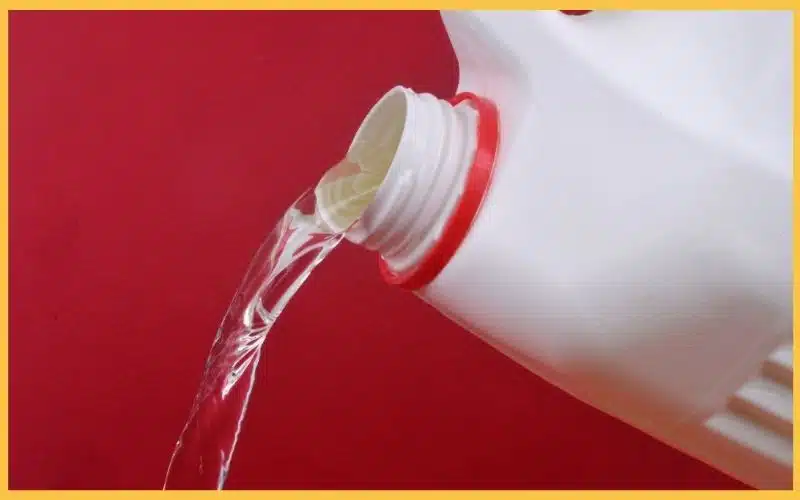
Bleach offers powerful advantages when you need serious germ-killing power in your Canadian home or business.
1. Highly Effective Against Viruses, Bacteria, and Mould
Bleach eliminates virtually all common household germs within 30 seconds to 1 minute of contact. This includes dangerous pathogens like Methicillin-resistant Staphylococcus Aureus (MRSA), hepatitis, and coronavirus variants. No other common household cleaner matches bleach’s broad-spectrum effectiveness.
Canadian healthcare facilities rely on bleach-based disinfectants for this reason. It destroys spores, which are the most resistant forms of microorganisms. Even tough mould and mildew, common cleaning problems in humid Canadian climates, can’t survive proper bleach treatment.
2. Long Shelf Life
Bleach stays effective for months when stored correctly, making it a reliable disinfectant to keep in your cleaning supply. Unlike natural cleaners that lose strength quickly, bleach maintains its germ-killing power over time, even through seasonal temperature changes common in many parts of Canada.
This long shelf life means less waste and fewer trips to restock, which is especially helpful for busy households and small businesses. It’s ready when you need it, whether for routine cleaning or unexpected messes.
3. Works Well for High-Touch and High-Risk Areas
Bleach excels at disinfecting door handles, light switches, and bathroom surfaces. These high-touch areas harbour the most germs and benefit from bleach’s powerful action. Commercial establishments in Canada often choose bleach for cleaning these critical zones.
Kitchen areas where raw meat is prepared also benefit from bleach disinfection. The rapid kill time means you can quickly sanitize cutting boards and counters between food preparation tasks. This prevents cross-contamination that could cause foodborne illness.
4. Inexpensive and Easy to Find in Canada
Bleach costs very little and is available at every grocery store, pharmacy, and hardware store across Canada. Even small communities have access to this essential cleaning supply. The low cost makes it practical for regular use in homes and businesses.
A single bottle of bleach can be diluted to create many litres of disinfectant solution. This cost-effectiveness is particularly important for larger Canadian households or small businesses operating on tight budgets.
Precautions When Using Bleach at Home

Bleach is powerful, but it must be used with care to protect your health and home surfaces. Improper use can lead to harmful fumes, skin irritation, or damage to materials. Follow these safety precautions whenever you’re using bleach for cleaning:
- Use in a well-ventilated area to avoid inhaling strong fumes
- Never mix with ammonia or vinegar (creates toxic gas)
- Wear gloves to protect your skin
- Keep away from children, pets, and heat sources
- Test on a small area before applying to surfaces or fabrics
With these precautions, you can safely make the most of bleach’s disinfecting power.
Lemon vs Bleach: A Side-by-Side Comparison Table
| Factor | Lemon | Bleach |
|---|---|---|
| Germ-Killing Power | Limited to certain bacteria | Kills virtually all germs |
| Contact Time Needed | 10-15 minutes | 30 seconds to 1 minute |
| Safety Around Family | Very safe | Requires caution |
| Environmental Impact | Completely natural | Chemical runoff concerns |
| Cost per Use | Very low | Very low |
| Surface Compatibility | Can damage stone/metal | Can bleach colours |
| Availability in Canada | Year-round in stores | Available everywhere |
| Health Authority Approval | Not officially recommended | Health Canada approved |
What Do Health Canada and Cleaning Experts Recommend?
Health Canada officially recommends bleach-based disinfectants for killing harmful germs, especially during illness outbreaks. These products are tested and approved for effectiveness against viruses and bacteria. Natural options like lemon juice are not recognized or included in Health Canada’s list of approved disinfectants.
Cleaning experts across Canada support this guidance. While they acknowledge lemon has a place in routine cleaning, they emphasize that bleach is the more reliable option for proper disinfection.
When Should You Use Lemon vs. Bleach for Cleaning?
Each product has its place depending on the situation. You can use the following table as a guide:
| When to Use Lemon | When to Use Bleach |
|---|---|
| Daily cleaning of kitchen counters | Bathroom cleaning (toilets, showers) |
| Removing odours from cutting boards and appliances | After someone in the home has been sick |
| Cleaning areas where kids and pets play | Cleaning after handling raw meat or fish |
| Ideal for eco-friendly households | Disinfecting high-touch surfaces (e.g. door handles, switches) |
| Great for light cleaning that doesn’t need disinfection | Any task that requires full disinfection |
Expert Tip: Many Canadian households use both. Lemon is perfect for everyday freshness, while bleach is best for heavy-duty disinfection.
So, Which Kills Germs Better: Lemon or Bleach?
Bleach kills more germs. It’s proven to eliminate viruses, bacteria, and mould quickly. Lemon, while natural and safe, isn’t powerful enough for proper disinfection.
Additionally, scientific studies consistently show that properly diluted bleach eliminates more types of germs faster than lemon juice. It works in seconds rather than minutes and provides reliable results every time.
However, this doesn’t mean lemon is useless for cleaning. It serves important roles in daily maintenance, natural deodorizing, and situations where chemical-free cleaning is preferred.
Additional FAQs About Lemon and Bleach for Cleaning

Still curious about how to use lemon or bleach properly? Here are quick answers to some common cleaning questions:
How long should bleach sit on a surface?
It depends on the product, but generally, 1 to 5 minutes is enough to kill germs. Always check the label.
Does lemon juice expire or lose its cleaning power over time?
Yes. Fresh lemon juice works best. Bottled lemon juice may lose its effectiveness.
Can I mix lemon and bleach together?
No. Mixing lemon and bleach can release harmful chlorine gas. Always use them separately.
Conclusion
The choice between lemon and bleach depends on your specific cleaning needs and priorities. Bleach clearly wins for serious germ elimination, working faster and against more types of pathogens than lemon ever could. While lemon brings valuable benefits for daily cleaning, environmental concerns, and family safety.
Many Canadian households find success using both products strategically rather than choosing just one. Understanding when to use each option helps you maintain a clean, healthy home while making informed choices about chemical exposure and environmental impact.
Need Help Keeping Your Space Germ-Free?
Whether it’s your home or business, keeping your space germ-free takes time, effort, and knowledge. That’s where trusted professionals come in.
Hellamaid has years of experience cleaning Canadian homes and commercial spaces using proven methods and eco-conscious options. Our team understands when natural solutions work best and when it’s time to disinfect with care.
Book your next cleaning with Hellamaid and enjoy a home that feels fresh, safe, and expertly cared for!