Have you ever finished a jar of pickles and wondered what to do with that leftover brine? Instead of pouring it down the sink, you might be surprised to learn that pickle juice can actually help clean your drains. This natural cleaning method has been gaining attention as people look for eco-friendly alternatives to harsh chemical drain cleaners. Let’s explore how this tangy liquid from your refrigerator can become a useful household cleaning tool.
Pickle juice might seem like just kitchen waste, but it’s actually a simple home solution with surprising benefits. If you’ve ever wondered how to use pickle juice for cleaning drainage, this guide is here to help. It’s a safe, natural, and affordable way to handle minor clogs and smelly drains, perfect for homeowners looking for easy fixes using things they already have.
Why People Are Using Pickle Juice for Cleaning Drains

Many homeowners are turning to natural cleaning solutions, and pickle juice has emerged as an unexpected hero. The popularity of this method stems from its accessibility and eco-friendly nature. Most households regularly consume pickles, making the leftover juice a readily available cleaning resource.
What’s Inside Pickle Juice That Makes It Work?
Pickle juice contains several key ingredients that give it cleaning power:
- Acetic acid from vinegar – This is the main cleaning agent that helps break down buildup
- Salt – Acts as a mild abrasive to help scrub away debris
- Natural preservatives – Help inhibit bacterial growth in pipes
The vinegar in pickle juice typically contains 5 percent acetic acid, which is the same concentration found in most household cleaning vinegars. This acidic content helps dissolve soap scum, mineral deposits, and organic matter that can accumulate in your drains.
How to Use Pickle Juice for Cleaning Drainage: Step-by-Step

Here’s your complete guide to using this kitchen leftover for drain maintenance.
Step 1: Collect your leftover pickle juice
Don’t throw away that pickle brine! Save it in a clean jar or container. You can collect juice from various pickle types – dill, sweet, or bread and butter pickles all work effectively.
Step 2: Pour slowly down the affected drain
Remove any visible debris from the drain opening first. Then slowly pour the pickle juice directly down the drain. Use about 1/2 to 1 cup for most standard drains.
Step 3: Let sit for 15 to 30 minutes
Allow the pickle juice to work its magic. The acid needs time to break down buildup and neutralize odors. For heavily clogged drains, you can let it sit for up to an hour.
Step 4: Follow with hot water (not boiling for plastic pipes)
Flush the drain with hot water to wash away loosened debris. Use very hot tap water for plastic pipes, or near-boiling water for metal pipes. This helps clear away what the pickle juice has loosened.
Step 5: Repeat weekly or as needed
For maintenance, use this method once a week. For problem drains, you might need to repeat the process several times or combine it with other cleaning methods.
When It Works and When It Doesn’t
Pickle juice drain cleaning works best for:
- Light soap scum buildup
- Minor odor issues
- Regular maintenance cleaning
- Grease residue in kitchen sinks
However, it has limitations:
- Won’t clear major blockages
- Less effective on hair clogs
- May not work on mineral-heavy buildup
- Can be problematic in larger quantities due to high salt and acid content
Benefits of Using Pickle Juice for Drain Cleaning
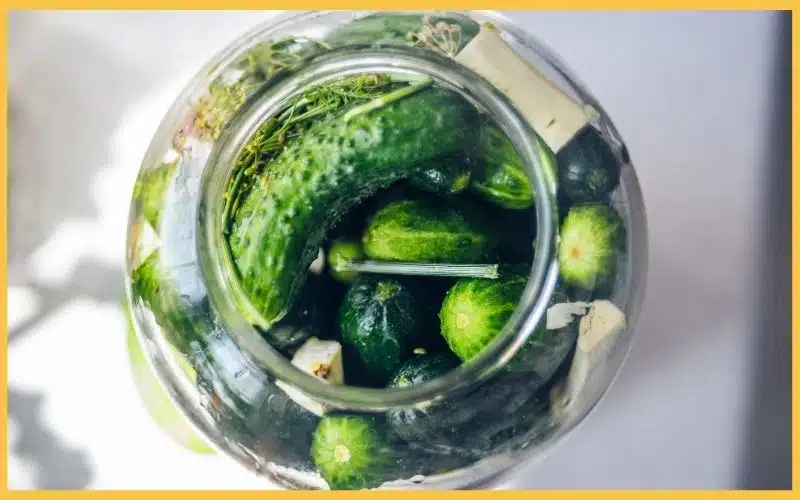
This natural approach offers several advantages:
- Eco-friendly alternative – No harsh chemicals entering your plumbing or the environment
- Cost-effective – Uses something you’d normally throw away
- Safe for septic systems – When used in moderation
- Pleasant scent – Leaves a cleaner smell than many chemical cleaners
- Readily available – Most households have access to pickle juice
What If Pickle Juice Doesn’t Work? Your Next Best Step
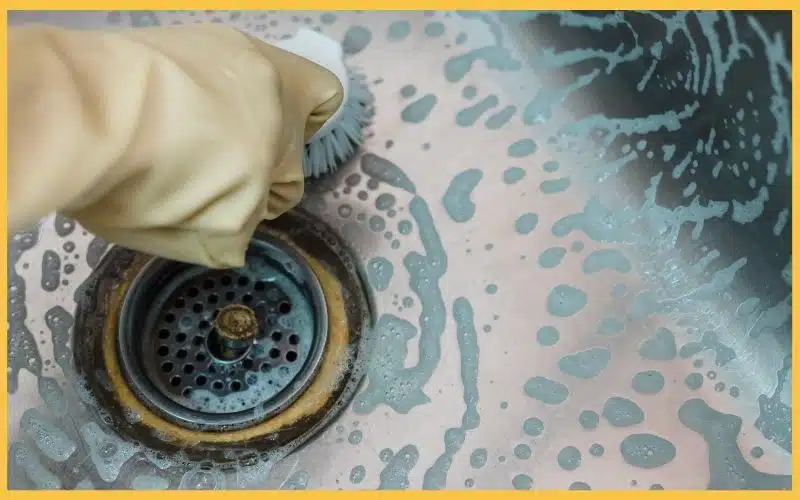
When pickle juice isn’t enough, try these alternatives:
- Baking soda and vinegar method – A classic DIY drain cleaner
- Hot water and dish soap – Effective for grease clogs
- Manual removal – Use a drain snake or plunger for physical blockages
- Professional help – Call a plumber for persistent problems
For serious clogs, pickle juice should be considered a maintenance tool rather than a heavy-duty solution.
Conclusion
Using pickle juice for cleaning drainage offers a simple, natural way to maintain your drains. While it won’t replace professional drain cleaning for major issues, it’s an excellent eco-friendly option for regular maintenance. The acetic acid and salt content make it effective for light cleaning tasks, and you’re putting kitchen waste to good use.
Remember to use this method in moderation and always follow up with plenty of hot water. Your drains will thank you for the gentle, natural care.
Tired of DIY Drain Experiments? Let’s Keep It Flowing
If your drain needs more than pickle juice, let trusted experts take over. Hellamaid offers professional residential and commercial cleaning services in select Canadian cities. We’re here to help keep your space clean and your drainage flowing smoothly, without the stress.
Check out our professional cleaning services today and get the help you deserve.