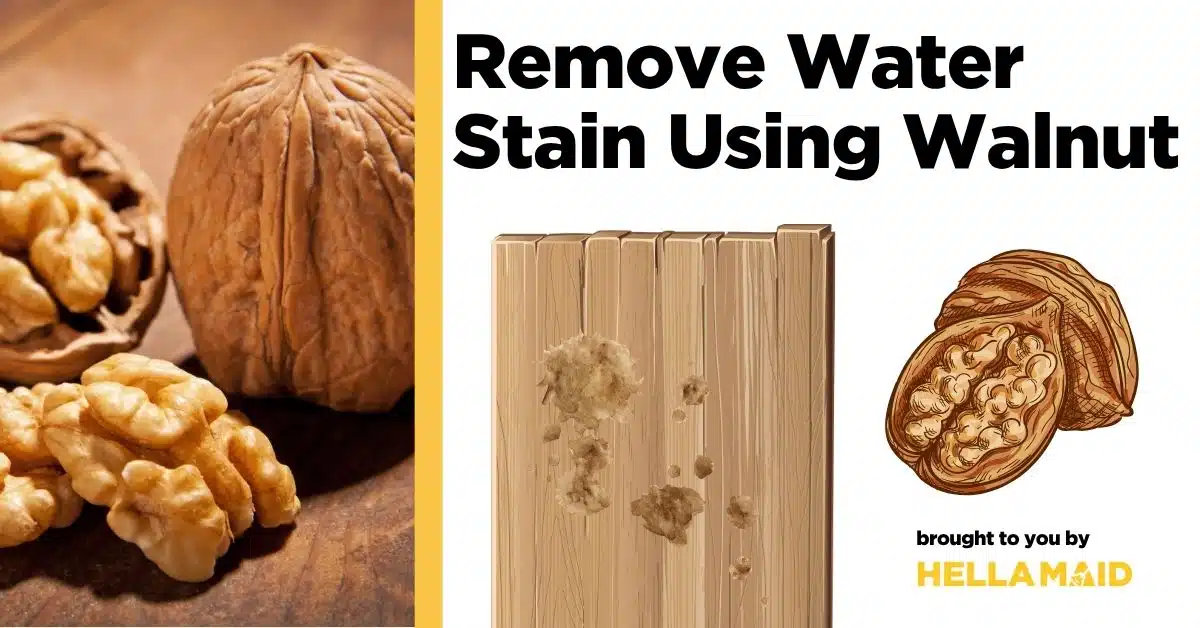
Water stains on wood are a common issue in many homes and workspaces. Whether it’s a shelf, desk, or side table, those cloudy rings can make clean surfaces look worn out. These marks can be frustrating, especially when regular wiping doesn’t work.
If you’re looking for a simple and natural solution, you might be surprised by what a walnut can do. This guide will walk you through how to remove water stain using walnut, a quick and eco-friendly method that’s easy to try.
Why Water Stains Happen on Wood Surfaces?
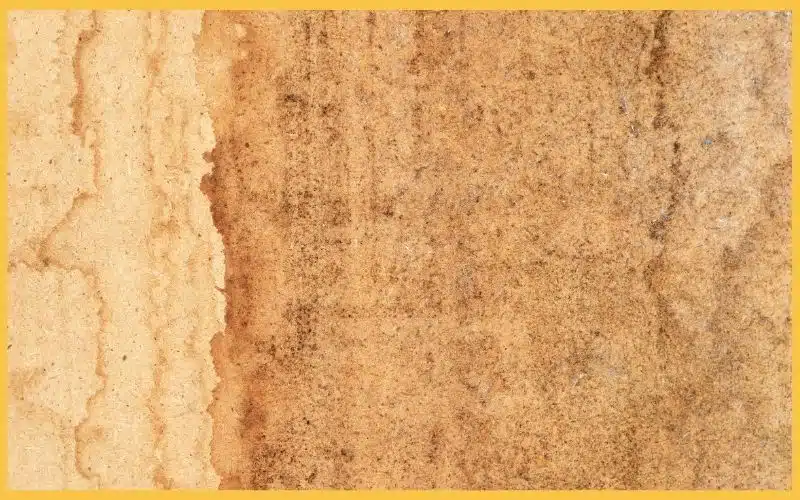
Water stains form when moisture penetrates the wood finish and gets trapped beneath the surface. This happens when wet glasses, hot mugs, or spills sit on wood furniture for too long. The moisture causes the wood fibers to swell and change color, creating those unsightly white or dark rings and spots.
Wood is naturally porous, and even finished surfaces can develop micro-cracks over time. When water seeps through these tiny openings, it disrupts the wood’s natural oils and creates visible staining. The good news is that surface-level water stains haven’t usually penetrated deeply into the wood itself.
Why Does the Walnut Trick Work for Water Stains?
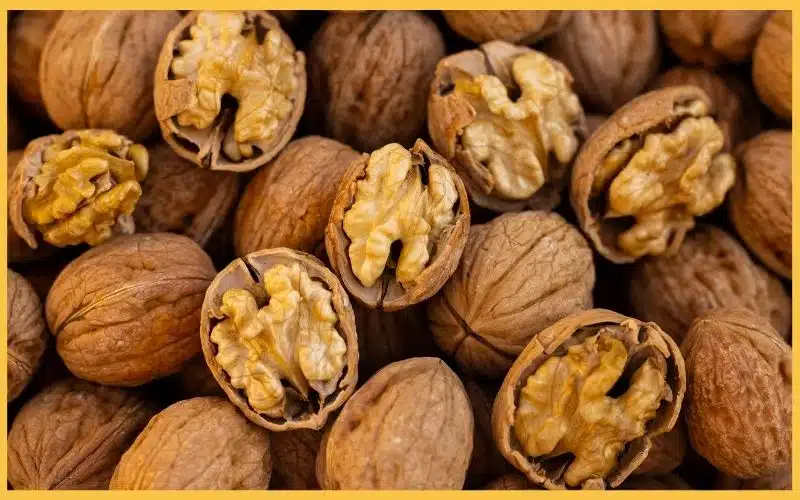
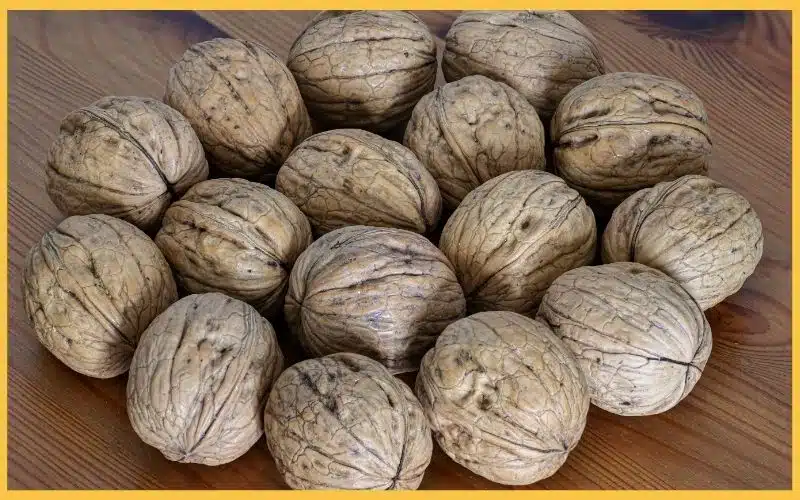
The walnut method works because of the natural oils found in walnut meat. These oils are similar to the natural oils in wood and can help restore the damaged area. When you rub a walnut on a water stain, you’re essentially adding back oils that moisture has displaced.
Walnut oil contains properties that can penetrate light finishes and blend with the wood’s natural color. This helps disguise the water stain and restore the wood’s original appearance. The technique works b on light-colored woods and surface-level stains that haven’t penetrated too deeply.
Step-by-Step on How to Remove Water Stain Using Walnut
Here’s your complete guide to using this natural remedy effectively.
Step 1: Clean the Surface
Start by cleaning the stained area thoroughly. Use a soft, damp cloth to remove any dust, dirt, or residue. Make sure the surface is completely dry before proceeding. This ensures the walnut oil can penetrate properly without interference from other substances.
Step 2: Rub the Walnut on the Stain
Take a fresh walnut half and rub it directly on the water stain. Apply gentle pressure and move in circular motions. The natural oils from the walnut will start to release and absorb into the wood. Continue rubbing for about 30 seconds to one minute, depending on the stain size.
Step 3: Let It Sit for a Few Minutes
Allow the walnut oil to penetrate the wood for 5-10 minutes. During this time, the oils work to restore the wood’s natural moisture balance and help blend the stained area with the surrounding wood.
Step 4: Buff with a Soft Cloth
Using a clean, dry microfiber cloth, gently buff the treated area in circular motions. This helps distribute the oil evenly and removes any excess residue. The buffing action also helps restore the wood’s natural shine.
Step 5: Repeat if Needed
For stubborn stains, you may need to repeat the process 2-3 times. Wait at least an hour between applications to allow the wood to fully absorb the oils. Most light water stains will show improvement after the first treatment.
Other Natural Methods to Remove Water Stains
If the walnut method doesn’t do the trick, there are a few other natural options you can try. These household items may help remove surface-level stains without damaging the wood.
-
Baking Soda and Water – Mix into a paste and rub gently over the stain.
-
Petroleum Jelly – Apply a small amount and leave it overnight before wiping.
-
Mayonnaise – Dab a bit on the mark and let it sit for a few hours before buffing it off.
Each method has different results depending on the type of wood and stain. Always test a small hidden area first to avoid damage.
How to Prevent Water Stains on Wood?
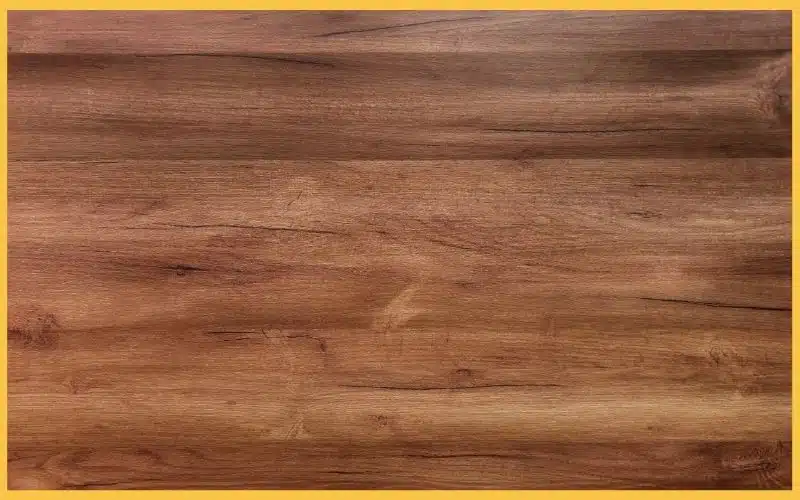
Prevention is always better than treatment when it comes to protecting your wood furniture. Here are practical tips to keep your wooden surfaces stain-free:
- Use coasters and placemats – Always place protective barriers under glasses, mugs, and dishes
- Wipe spills immediately – Don’t let moisture sit on wood surfaces for extended periods
- Control humidity levels – Keep indoor humidity between 30-50% to prevent wood expansion and contraction
- Apply protective finishes – Regular waxing or polishing creates a barrier against moisture
- Use tablecloths or table runners – These provide an extra layer of protection during meals
- Avoid placing hot items directly on wood – Heat can damage finishes and make wood more susceptible to water damage
According to research, individuals believe that wood is a natural and organic material that people enjoy and become happy when using it, with ‘furniture’ being the most frequent way of utilizing wood at home. This makes proper care essential for maintaining both the beauty and emotional benefits of wood furniture.
Conclusion
The walnut method is a simple, natural solution for removing light water stains from wood furniture. While it may not work for every type of stain or deeply penetrated damage, it’s definitely worth trying before investing in expensive commercial products or professional restoration services.
Remember that this technique works best on fresh, surface-level stains. For older or more severe damage, you might need to explore other restoration methods. The key is acting quickly when water stains appear and using gentle, natural approaches first.
Keep a few walnuts in your kitchen for future furniture emergencies. Your wood furniture will thank you for this gentle, chemical-free treatment that respects both the environment and the natural beauty of wood.
Want Spotless Furniture Without the Guesswork?
While walnuts can work wonders, not all stains are that easy. If your wood furniture needs deeper care or your space could use a full cleaning refresh, we’ve got you covered.
At Hellamaid, we offer professional residential and commercial cleaning services across major Canadian cities. Whether it’s regular upkeep or detailed cleaning, our team is ready to help you keep every surface looking its best.
Book your cleaning service today and enjoy a fresher, brighter home or office, without the stress!