Key Points
- Fleas usually get inside by hitching a ride on pets or wildlife and multiply quickly in warm, humid spaces. They can also spread through carpets, furniture, or clothing.
- Getting rid of fleas requires treating pets, vacuuming thoroughly, washing fabrics in hot water, and using safe remedies or sprays when needed.
- Preventing fleas is easier than eliminating them; regular pet treatments, frequent cleaning, and sealing entry points help keep them away.
Having fleas in your home can be frustrating and stressful. These tiny pests not only make your pets uncomfortable but can also disrupt your entire household.
In this guide, we’ll walk you through how to clean a house infested with fleas and share simple steps to make your home safe, fresh, and comfortable again.
What Causes Fleas at Home?
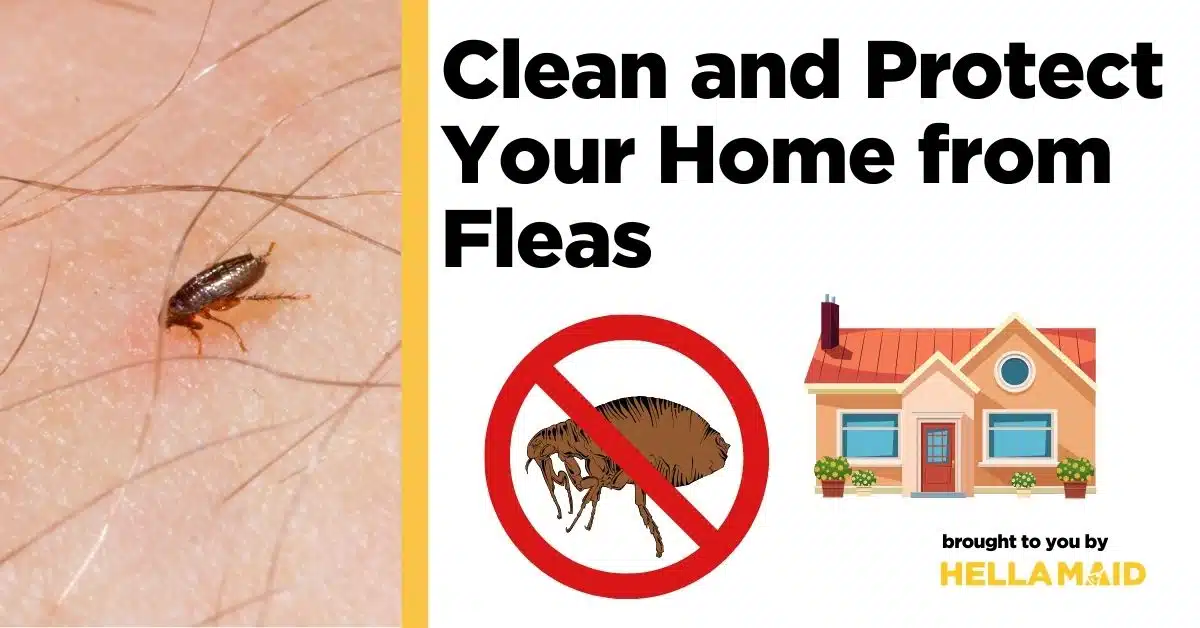
Fleas are tiny parasites that feed on the blood of both animals and humans. They often enter homes by clinging to pets like cats and dogs, then spread quickly indoors. Since fleas thrive in warm, humid environments, our homes become the perfect place for them to multiply fast.
With nearly 80% of Canadian households owning at least one pet, it’s no surprise that flea infestations are a common issue for many families. Here are some of the main causes:
- Pets spending time outdoors
- Wildlife, such as raccoons or squirrels, entering your yard
- Flea eggs or larvae carried in on carpets, furniture, or clothing
Knowing these causes helps you take the right steps to prevent fleas before they get out of hand.

Signs of Flea Infestation
Catching fleas early makes a huge difference in keeping your home and pets comfortable. Watch out for these common signs:
| On Your Pets | In Your Home |
|---|---|
| Excessive scratching, licking, or biting at their skin | Small, jumping insects visible to the eye |
| Red, irritated skin or hot spots | Dark specks on pet bedding, carpets, or furniture |
| Small, dark specks in their fur (flea dirt) | Tiny bite marks on your ankles or legs |
| Hair loss from constant scratching | Red, itchy welts on family members |
| Restlessness or discomfort | Flea eggs (tiny white specks) in carpet fibres |
You can also do a quick flea dirt test: place any dark specks you find on a damp white paper towel. If the spots turn reddish-brown, it confirms they’re flea dirt, meaning fleas are present.
Step-by-Step Ways on How to Get Rid of Fleas in My House
Successfully eliminating fleas requires a systematic approach that targets all life stages of these persistent pests.
Step #1: Treat Your Pets for Fleas
Your pets are usually the main hosts for adult fleas, so start here.
Immediate actions:
- Consult your vet for prescription treatments
- Use shampoos or sprays designed for your pet’s size/species
- Apply topical treatments (back of the neck)
- Consider flea collars for ongoing protection
Safety tips:
- Never use dog products on cats (toxic risk)
- Follow dosing instructions carefully
- Avoid flea bombs if pets/children are present
- Separate pets until products fully dry
Step #2: Vacuum Every Corner of Your Home
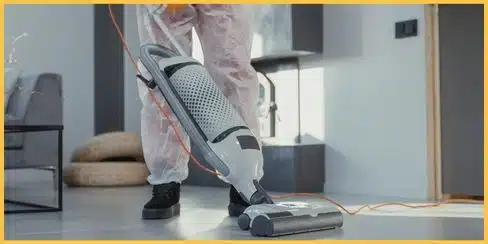
Vacuuming is one of the most effective ways to eliminate fleas in every life stage. Pay close attention to carpets, pet sleeping areas, upholstery, baseboards, and hidden spots under furniture or beds, as these are common flea hotspots.
For best results, use a strong-suction vacuum and move slowly to catch eggs and larvae. Don’t forget to clean your car interior if your pets ride with you, since fleas can easily spread there too.
Step #3: Wash All Bedding and Linens
Heat kills fleas in every stage. Wash and dry thoroughly. Here’s a guide you can follow:
| What to Wash | Best Practice |
|---|---|
| Pet bedding & blankets | Hot water + high heat dry (40+ min) |
| Bed linens & pillowcases | Hot cycle when safe |
| Throw pillows & couch covers | Machine wash or professional clean |
| Curtains near floor | Hot water if safe, otherwise dry clean |
Step #4: Vacuum Again to Catch Stragglers
A second round is essential since the first vacuum triggers eggs to hatch.
- Wait 2–3 days after Step #2
- Repeat the same thorough process
- Pay extra attention to pet areas and hidden spots
This step helps break the flea life cycle more effectively.
Step #5: Try Safe Home Remedies
Natural options can support your flea-control routine.
Effective remedies:
- Diatomaceous earth (food-grade): sprinkle on carpets, vacuum after a few hours
- Salt or baking soda: dries out eggs and larvae
- Cedar chips: natural outdoor deterrent
Application tips:
- Always use food-grade products
- Let powders sit for several hours before vacuuming
- Reapply weekly until the infestation clears
Step #6: Use Flea Sprays or Treatments
For stubborn infestations, sprays and treatments can give stronger results. Premise sprays kill eggs and larvae, while IGR products stop fleas from growing into adults. Flea powders work well on carpets, and for severe cases, professional pest control is often the safest choice.
Always follow label directions, keep pets and people out during treatment, and ventilate the space before re-entry. If you’re unsure, hiring experts ensures a thorough and safe solution.
How Can I Avoid Having Fleas at Home?
Prevention is always easier and less expensive than dealing with an infestation.
1. Keep Pets on Regular Flea Treatments
Consistent prevention protects your pets year-round. Use vet-recommended flea products, apply them monthly, and don’t skip treatments in the winter.
Set reminders so you never miss an application, and check your pet’s skin regularly for early signs of fleas before they spread.
2. Clean and Vacuum Frequently
Regular cleaning helps stop fleas from settling in. Vacuum carpets twice a week and focus on spots where pets spend the most time.
Also, keep floors, furniture, and corners dust-free to reduce flea hiding places and break their life cycle.
3. Wash Pet Bedding Weekly
Hot water and high heat kill flea eggs before they hatch. To make it easier:
- Use the hottest water safe for the fabric
- Dry bedding on high heat
- Keep a backup set of bedding for rotation
- Add waterproof mattress protectors under pet beds
4. Seal Cracks and Prevent Outdoor Fleas
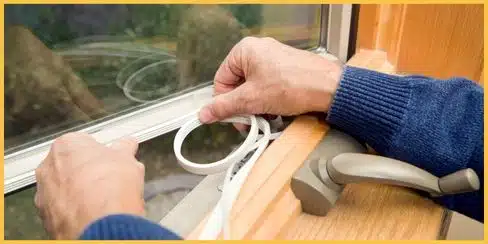
Your home’s exterior can be an entry point for fleas. Seal cracks and gaps around foundations and doors to block them out.
Outside, mow the lawn, clear debris, and consider using beneficial nematodes in your yard to naturally lower flea populations.
Frequently Asked Questions
Here are answers to the most common questions about flea cleaning and prevention.
FAQ #1: Do I have to wash everything after flea bombing my house?
Yes, you should wash anything that comes in contact with food, people, or pets. This includes:
- Kitchen counters, dishes, and utensils
- Children’s toys and pet toys
- Bedding and clothing that were exposed
- Pet food and water bowls
Many homeowners prefer vacuuming and targeted treatments instead of whole-house bombing, as they’re safer and often more effective, especially with pets and children around.
FAQ #2: How long does it take to get rid of fleas completely?
It usually takes 2–8 weeks to eliminate fleas with consistent treatment.
- Week 1–2: More fleas may appear as eggs hatch
- Week 3–4: Numbers drop significantly
- Week 6–8: Full elimination with proper treatment
The exact timeline depends on the infestation’s severity, how consistent you are, and environmental factors like temperature and humidity.
FAQ #3: Can fleas come back after cleaning?
Yes, fleas can return if the full treatment cycle isn’t completed or if new fleas are introduced. Common causes include:
- Pets not being on regular flea prevention
- New fleas carried in from outdoors
- Warm, humid conditions that favour flea growth
To prevent re-infestation, stay consistent with pet treatments and regular monitoring.

Conclusion
Cleaning a house infested with fleas requires a thorough, multi-step approach involving your pets, your home environment, and careful prevention. By following these steps, you can reclaim your home from fleas and create a safe, comfortable space.
Let Professionals Handle Flea Cleaning for You
Sometimes, the infestation is too severe to handle alone. Professional cleaning services, like Hellamaid, in Canada can provide thorough treatments, including:
- Deep cleaning of your furniture
- Safe and eco-friendly pet and home cleaning
- Ongoing expert prevention advice
Hiring experts saves time and ensures a safe, flea-free environment. Book with us now!