Key Points
- Wildfire smoke, industrial emissions, temperature inversions, and seasonal allergens all contribute to outdoor pollutants entering your home and affecting indoor air quality.
- Poor outdoor air leads to respiratory irritation, dust buildup, HVAC strain, surface damage, and persistent odors inside your house.
- Consistent cleaning, HVAC maintenance, allergen control, and air purification help keep indoor air fresh and protect your home during Calgary’s air quality challenges.
Calgary’s air quality doesn’t just stay outside, it follows you home. When wildfire smoke, pollution, and dust fill the air, those tiny particles can slip indoors through vents, windows, and cracks, affecting the air you breathe and the overall health of your home.
Just this June 2025, Calgary’s Air Quality Health Index (AQHI) hit a very high risk level. Environment and Climate Change Canada (ECCC) issued a city-wide air quality warning and urged everyone to limit their time outdoors for safety. But how can you be sure your home is a safe and healthy place to stay?
In this blog, we’ll explore how Calgary’s air quality impacts your home, and what you can do to protect it.
Factors That Make Calgary’s Air Harmful to Your Home
Many things can affect Calgary’s air and, in turn, the health of your home. Here are four key ones to watch out for.
Factor #1: Wildfire Smoke
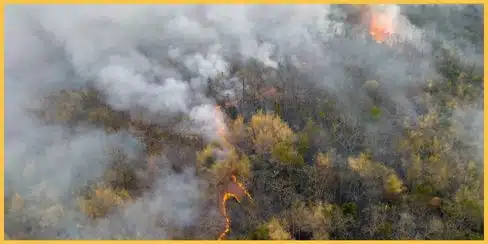
One of the biggest causes of poor air quality in Calgary is wildfire smoke, especially during the summer season. In fact, Calgary’s city-wide air quality warning in June 2025 was issued by the ECCC due to heavy wildfire smoke.
Smoke can travel thousands of kilometres from its source. Even if the fires start outside Calgary, the smoke often travels across long distances and settles over neighbourhoods throughout the city. Communities like Tuscany in the northwest, Auburn Bay in the southeast, or even downtown Calgary can all feel the impact, no matter how far the fire is.
During these periods, fine particles penetrate homes through:
- Open windows and doors
- Gaps around window frames
- Ventilation systems
- Cracks in building structures
Additionally, during heavy smoke conditions, everyone is at risk regardless of their age or health. The fine particles in wildfire smoke pose the main health risk.
Factor #2: Industrial and Vehicle Emissions
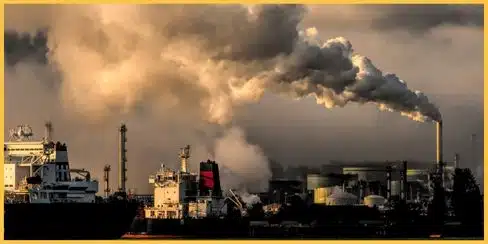
Air quality issues in Calgary also come from factories and traffic. Industrial sites release harmful gases throughout the year, while busy roads, especially during rush hour, add more pollution from car and truck exhaust. Things like wind, weather, and how much traffic or industrial work is happening can affect how much of those irritants stay in the air.
For example, Foothills Industrial and Shepard Industrial are both located in southeast Calgary. These big industrial areas are known sources of air emissions that contribute to the city’s air quality concerns.
These emissions often carry substances like nitrogen dioxide, sulfur compounds, and tiny particles. Once they’re in the air, they can easily enter your home through windows, vents, or small openings, especially when the air isn’t moving much. Over time, this can lower the quality of your indoor air and affect your home’s overall health.
Factor #3: Temperature Inversions
During Calgary’s colder months, temperature inversions can trap pollution close to the ground. This happens when a layer of cold air gets stuck under warmer air, preventing pollutants from rising and dispersing.
When this occurs, exhaust and emissions from traffic, homes, and industry build up in the air, making it easier for pollution to seep indoors. With less fresh air circulating, your home can feel stuffy and your indoor air quality can take a hit.
Factor #4: Seasonal Allergens
Spring and summer bring additional air quality challenges through natural allergens:
- Tree pollen (April-June)
- Grass pollen (June-August)
- Ragweed pollen (August-September)
- Mold spores during damp conditions
These allergens combine with man-made pollutants to create complex indoor air quality issues.

How Calgary’s Air Quality Affects Your Home’s Health
Poor outdoor air quality creates a cascade of problems within your home environment.
1. Respiratory Health and Allergies
When bad outdoor air enters your home, it triggers various health responses. Anyone can experience eye, nose, and throat irritation due to wildfire smoke, according to Alberta Health Services. Other symptoms can include a runny nose, cough or headache.
Common symptoms experienced indoors include:
- Persistent coughing and sneezing
- Watery or itchy eyes
- Throat irritation and scratchiness
- Worsening asthma symptoms
- Feeling hazy
- Increased allergy flare-ups

2. Dust and Dirt Accumulation
Outdoor pollutants don’t just affect your breathing, they settle on surfaces throughout your home. This creates:
| Surface Type | Accumulation Rate | Health Impact |
|---|---|---|
| Carpets and Rugs | High | Allergen reservoirs |
| Furniture | Moderate | Contact irritation |
| Electronics | High | Equipment damage |
| Window Sills | Very High | Visible contamination |
3. HVAC System Strain
Your heating and cooling system wasn’t designed to be an air purification plant, but that’s exactly what it becomes during periods of poor air quality. The system works overtime trying to circulate and filter increasingly contaminated air.
Filters that normally last three months might need replacement every few weeks during wildfire season. The strain on your system increases energy consumption and shortens the lifespan of expensive equipment. More importantly, an overwhelmed HVAC system can’t effectively circulate clean air throughout your home.

4. Damage to Surfaces and Electronics
Fine chemical pollutants can cause lasting damage to your belongings:
- Discoloration of walls and ceilings
- Corrosion of metal fixtures
- Damage to electronic components
- Deterioration of fabrics and upholstery
- Reduced lifespan of household items
5. Unpleasant Home Odors
Smell often provides the first indication that outdoor air quality is affecting your indoor environment. Wildfire smoke creates the most obvious odors, but industrial emissions and concentrated vehicle exhaust also contribute to persistent unpleasant smells that seem to linger no matter how much you clean.
These odors embed themselves in porous materials throughout your home. Carpets, upholstery, curtains, and even painted walls can absorb and slowly release these smells, creating an ongoing reminder of air quality problems.

How Regular Cleaning Reduces Bad Air Indoors
Maintaining a consistent cleaning routine becomes your first line of defense against poor outdoor air quality.
1. Remove Indoor Pollutants
The key to effective air quality maintenance lies in understanding how tiny pollutants behave once they’re inside your home. These contaminants don’t just settle on surfaces, they get kicked back into the air with every movement or gust.
HEPA vacuum systems help capture what regular vacuums often miss. Focus on high-traffic areas where dust and debris tend to get stirred up most. Always clean from top to bottom to let any remaining dirt fall before you vacuum the floors.
Use slightly damp microfiber cloths to trap fine dust instead of spreading it around. Pay extra attention to areas near windows, doors, and vents where outside air, and whatever comes with it, enters your space.

2. Minimize Allergens and Irritants
Creating an allergen-reduced environment requires consistency rather than intensity. Regular, gentle cleaning prevents the buildup that leads to overwhelming exposure levels.
- Wash bedding weekly in water heated to at least 130°F to eliminate dust mites and embedded particles
- Address pet dander daily through brushing and cleaning, as it combines with outdoor pollutants to worsen indoor air quality
- Clean entrance areas thoroughly to prevent outdoor allergens from spreading throughout the home
3. Prevent Mold and Mildew Growth
Calgary’s variable humidity levels, especially during chinook events, create perfect conditions for mold when combined with trapped pollutants. Mold spores add another layer of air quality challenges to your home environment.
Immediate attention to moisture prevents small problems from becoming major issues. Check areas prone to condensation regularly, especially around windows during temperature fluctuations. Proper ventilation during and after cleaning helps maintain optimal humidity levels.

4. Maintain HVAC Efficiency
Your HVAC system needs support to handle Calgary’s air quality challenges effectively. Think of filter changes as health insurance for your family rather than routine maintenance.
During wildfire season or extended periods of poor air quality, check filters weekly or monthly instead of quarterly. A clogged filter forces your system to work harder while providing less effective air cleaning. Consider upgrading to higher-efficiency filters that capture smaller particles.
Here’s how to help your HVAC system run efficiently when air quality is poor:
- Change air filters every 1-3 months
- Clean air ducts annually
- Seal gaps around vents and ductwork
- Schedule professional system maintenance
5. Enhance Overall Freshness
Creating a fresh indoor environment goes beyond removing pollutants, it involves actively promoting healthy air circulation and quality. Strategic use of air purifiers in bedrooms and main living areas provides additional protection during challenging air quality periods. Position them away from walls and furniture to maximize air circulation effectiveness.
Remember, natural ventilation during good air quality days helps flush out accumulated indoor pollutants. So, ensure to monitor local air quality reports to identify the best times for opening windows and promoting air exchange.

Frequently Asked Questions on Calgary’s Air Quality to Your Home
Here are some additional questions that may help you:
FAQ #1: How can I check the everyday air quality reading in Calgary?
Want to know how clean (or polluted) Calgary’s air is today? Here’s what you can do:
-
Visit Environment and Climate Change Canada’s AQHI page. Their site provides real‑time Calgary Air Quality Health Index (AQHI) values and hourly forecasts for Calgary. You’ll also see local monitoring stations and detailed risk categories.
-
Use the WeatherCAN app. Download this app (offered by Environment and Climate Change Canada) to get live AQHI updates. You can also set custom alerts—so you’ll know immediately if the risk level changes.
-
Check Alberta’s interactive AQHI map. Alberta.ca offers an interactive map so you can check up-to-date readings and forecasts for Calgary.
FAQ #2: Can poor air quality make my house smell bad?
Yes. Poor outdoor air quality frequently causes persistent indoor odors that seem impossible to eliminate. Wildfire smoke creates the most noticeable smells, but industrial emissions and concentrated vehicle exhaust also contribute to unpleasant indoor environments.
These odors penetrate porous materials like carpets, upholstery, and even painted walls. Simply opening windows during good air quality periods won’t eliminate embedded smells, they require targeted cleaning approaches and sometimes professional treatment.
FAQ #3: How often should I deep clean during wildfire season?
During wildfire season, deep cleaning should be done once a week, with daily light cleaning in high-use areas like bedrooms and living rooms. Dust and vacuum frequently, and replace HVAC filters every month. Run air purifiers daily to help reduce indoor particles and keep your home air healthy.
FAQ #4: What’s the best way to keep my home safe when the air quality is bad?
Protection requires a multi-layered approach combining physical barriers with active cleaning strategies. Seal obvious gaps around windows and doors, but understand that some infiltration is inevitable in any home. Use high-quality HVAC filters and run air purifiers in main living areas.
Most importantly, clean more often during poor air quality days, and monitor local air updates to adjust your routine as needed.

Conclusion
Calgary’s air quality issues call for more than just awareness, they require consistent action from homeowners. Wildfire smoke, industrial hazards, allergens, and shifting weather all impact the air inside your home.
By understanding these challenges, you can take smart steps to protect your indoor space. With the right tools and habits, your home can stay clean, safe, and healthy, no matter what’s happening outside.
Ready to Breathe Easier? Let Hellamaid Help
A clean home should feel like a safe escape, especially when the air outside feels anything but fresh. We get how stressful it can be to stay ahead of dust, odors, and allergens, especially during Calgary’s wildfire season or when smog rolls in.
That’s where Hellamaid steps in. With eco-conscious cleaning practices, reliable pros, and a true understanding of Calgary’s air quality challenges, we’re here to help you reclaim comfort and peace of mind indoors.
Whether it’s for your family’s health or your own sense of calm, let us handle your Calgary’s dirt so you can breathe a little easier, today and every day.